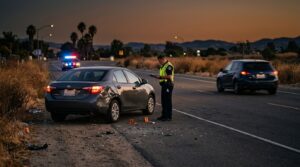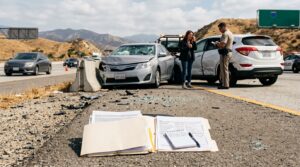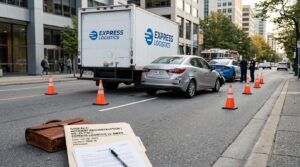
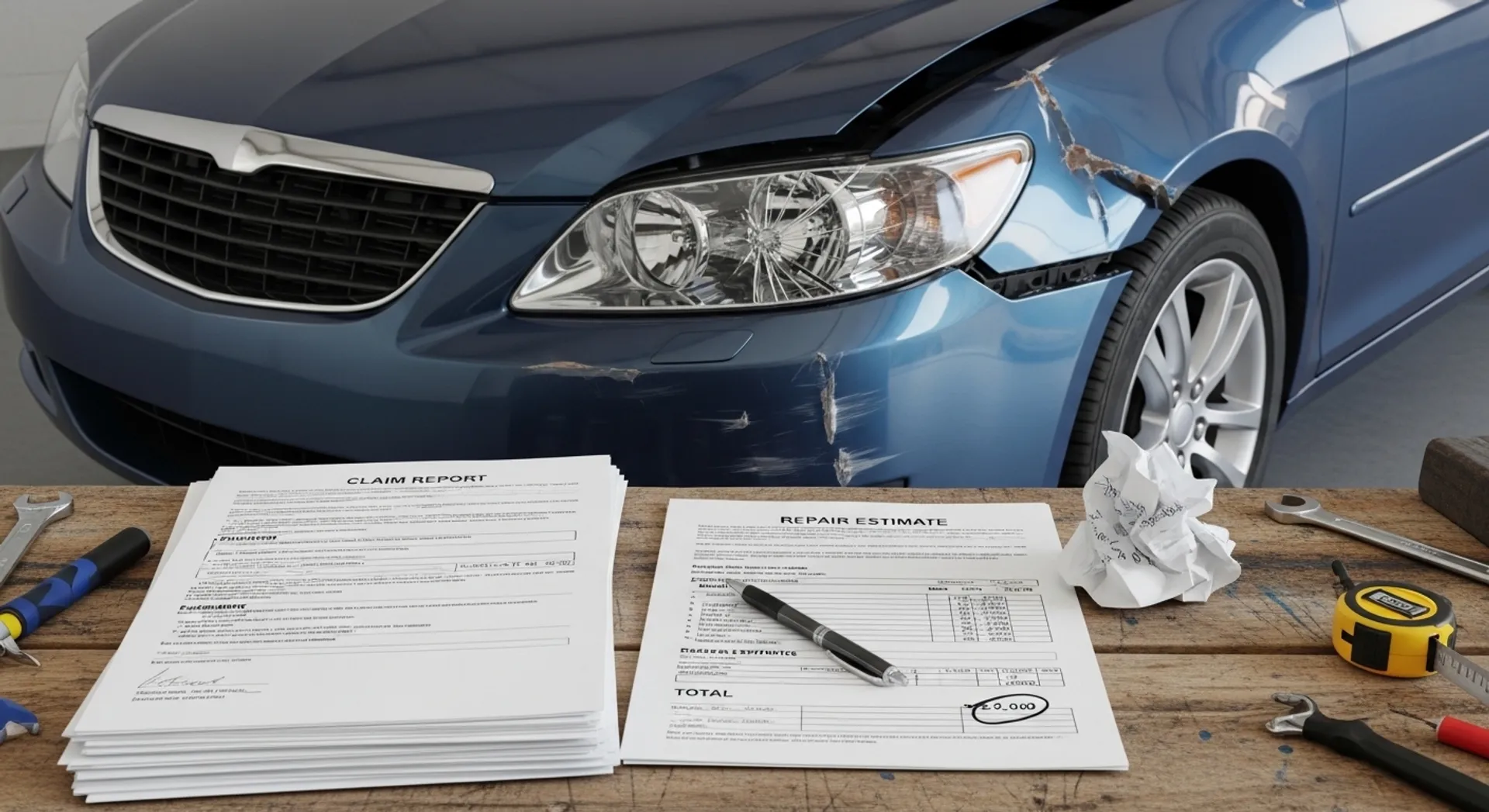
A repaired car is not always a fully restored car. That is the basic problem behind a California diminished value claim 2026 case. Even when the body work looks clean, the paint matches, and the vehicle drives normally, the accident can still leave behind a financial loss. Buyers, dealers, and vehicle-history reports often treat a crash differently from a clean-history car. That difference can reduce resale value, trade-in value, and sometimes even bargaining power when the owner tries to sell the vehicle later.
Many drivers do not think about that right away. After a collision, most people focus on medical care, towing, insurance calls, and getting the car repaired. That makes sense. But once the repairs are done, another question shows up: is the vehicle still worth what it was worth before the crash? In many cases, the honest answer is no.
That is why diminished value is such an important topic. A property-damage claim is not always limited to the repair invoice. In the right situation, the loss may also include the remaining drop in market value tied to the accident history itself. That issue matters even more in 2026, when used-vehicle values and resale performance are still getting serious attention.
If you are dealing with the early aftermath of a crash, start with What to Do After a Car Accident: A Step-by-Step Legal Guide. That post helps with the first layer of damage control. This article picks up where many people get stuck later: the hidden value loss that can remain after repairs are complete.
What a California Diminished Value Claim Really Means
A California diminished value claim 2026 issue comes down to one core idea. Your vehicle may be repaired, but the market may still treat it as worth less because it now has an accident history. A buyer comparing two otherwise similar cars will often pay more for the one that has never been in a crash. That is the practical harm. The accident changed the vehicle’s market position.
This does not mean every dent automatically creates a strong diminished value claim. The size of the loss can depend on the type of vehicle, the severity of the damage, whether structural parts were involved, the quality of the repairs, mileage, age, title history, and how the market views that model. A newer vehicle with strong resale demand may show the issue more clearly than an older car with already limited value.
Why repair bills do not tell the full story
Insurance companies often focus hard on the repair estimate because it is concrete. Parts, labor, paint work, alignment, and related costs are easier to document than market stigma. But property damage is not always just about what it costs to fix metal and plastic. It can also involve what the vehicle is worth after the work is done.
That distinction matters because a repaired car may still carry a history report showing the collision. A later buyer or dealership may use that information to offer less money. In real terms, that means the owner absorbed a second layer of loss beyond the repair shop bill.
How California frames property damage

California’s civil jury instruction on damage to personal property is important here. It explains that the plaintiff must prove the reduction in value or the reasonable cost of repair, whichever is less. It also addresses the situation where a vehicle can be repaired but, after those repairs, is still worth less than before the damage. In that type of case, the damages can include the post-repair value difference plus the reasonable repair cost, capped by the vehicle’s pre-harm value.
That does not mean every insurance adjuster will happily pay it. It means the issue is legally real and fact-dependent. Evidence matters, market proof matters, and the structure of the claim matters.
Third-party claims and first-party claims are not the same
This is where people get confused fast. A third-party property-damage claim against the at-fault driver’s insurer is not identical to a first-party claim under your own collision policy. Policy language can matter in first-party claims, and some policy wording may try to limit recovery differently. That is one reason drivers should not assume the answer is automatic either way.
The practical takeaway is simple: if another driver caused the crash and your vehicle lost market value even after repairs, diminished value is worth evaluating instead of ignoring.
Why This Topic Matters More in 2026
Diminished value is not new, but the 2026 market makes it more relevant. When used-vehicle values stay firm and resale value remains a bigger part of ownership math, the financial impact of an accident history becomes easier to feel. If the market rewards clean-history vehicles, then a collision record can matter more to owners trying to protect what their car is worth.
That is one reason this article fits accident-attorney.net well. The site already covers liability, technology, insurance complications, and evidence strategy. Diminished value adds the missing property-damage layer to that cluster.
Resale value is still a real market issue
In March 2026, Cox Automotive reported wholesale used-vehicle values were up year over year, and Kelley Blue Book’s 2026 resale-value awards emphasized how strongly some models continue to hold value. That matters because a vehicle that retains value well can also suffer a more noticeable financial hit when its accident history affects resale.
In other words, the cleaner and more marketable the car was before the crash, the easier it may be to argue that the accident changed what buyers will pay for it afterward. That does not guarantee recovery, but it makes the issue more than theoretical.
Modern buyers check vehicle history fast
Today’s buyers do not have to guess much. Vehicle-history reports, dealer databases, online listings, and appraisal tools make accident information easier to spot. That means diminished value can show up quickly in negotiations. A car can be repaired beautifully and still draw lower offers simply because the crash is now part of its market story.
If your case also involves contested fault, read Comparative Negligence in California Car Accidents: What Victims Need to Know in 2025. Shared-fault arguments can affect the money side of the claim, including property-damage recovery.
What Evidence Helps a Diminished Value Claim
A California diminished value claim 2026 case gets stronger when the file is organized early. The problem is that many people finish the repair process before they start thinking about resale loss. By then, key before-and-after proof may be harder to gather. That does not kill the claim, but it can make the argument less precise.
Documents and proof that can move the claim
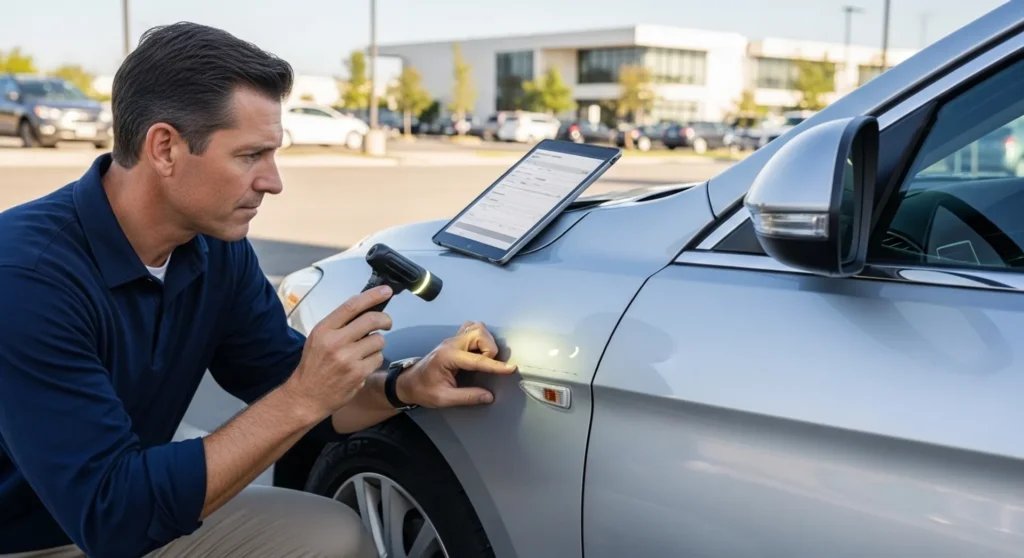
Start with the basics: crash photos, repair invoices, parts lists, damage estimates, and the final repair order. Keep the insurer’s property-damage communications too. You also want documentation showing the vehicle’s condition before the crash, including mileage, maintenance history, upgrades, and any evidence that the title was clean and the car was in strong condition.
Then focus on market proof. That can include dealer trade-in estimates, appraisal opinions, comparable listings, or other evidence showing what similar clean-history vehicles sell for versus a vehicle with the same accident record. The goal is not to wave around a random number. The goal is to show an evidence-based difference in value.
Do not overlook the accident-history record
One of the most practical points in these cases is also the simplest: the accident record itself matters. If the crash is now visible through common vehicle-history channels, that fact may influence what buyers and dealers will offer. The stronger the proof that the accident history will follow the car into the resale market, the stronger the diminished value argument tends to become.
If the crash also involved a hit-and-run driver, do not stop with property damage alone. Read Hit-and-Run Accidents in California: How UM/UIM Coverage and Fast Evidence Collection Can Protect Your Claim in 2026 because those cases can create both injury and coverage issues on top of vehicle-loss problems.
Common Mistakes That Weaken the Claim
The first mistake is assuming that repairs automatically end the property-damage conversation. They do not. The second is waiting too long to gather before-and-after value evidence. The third is treating every online calculator as if it were proof. Generic tools can be useful for orientation, but they are not a substitute for a grounded value analysis tied to the actual vehicle.
Another mistake is mixing up injury damages with property damages in a sloppy way. If your case includes both, keep the records clean. Medical proof supports one side of the case. Market-value proof supports another. Organized files usually perform better than blended, confusing claim packages.
This is also where technology can help or hurt. Digital records, photos, timestamps, and vehicle data can improve the claim when preserved well. For that angle, see How AI and Technology Are Changing Personal Injury Claims in 2025.
Final Thoughts
A California diminished value claim 2026 issue is easy to miss because it shows up after the loudest part of the accident is over. The car is repaired, the shop is done, and the owner wants life to go back to normal. But if the market now values the vehicle less because of that crash history, the financial damage may not be finished.
That is why diminished value deserves serious attention. It sits at the intersection of accident law, insurance strategy, and real-world vehicle resale. When the facts support it, this is not a made-up add-on. It is a practical claim about what the accident actually cost.
For a legal reference on California property-damage rules, see the Judicial Council of California Civil Jury Instructions (CACI No. 3903J). For current market context on used-vehicle values, see Cox Automotive’s Manheim Used Vehicle Value Index update.