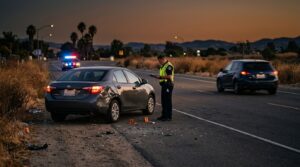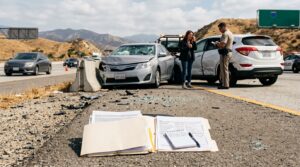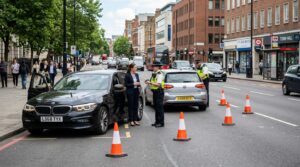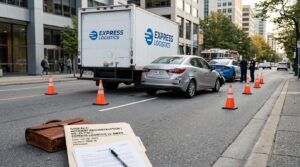
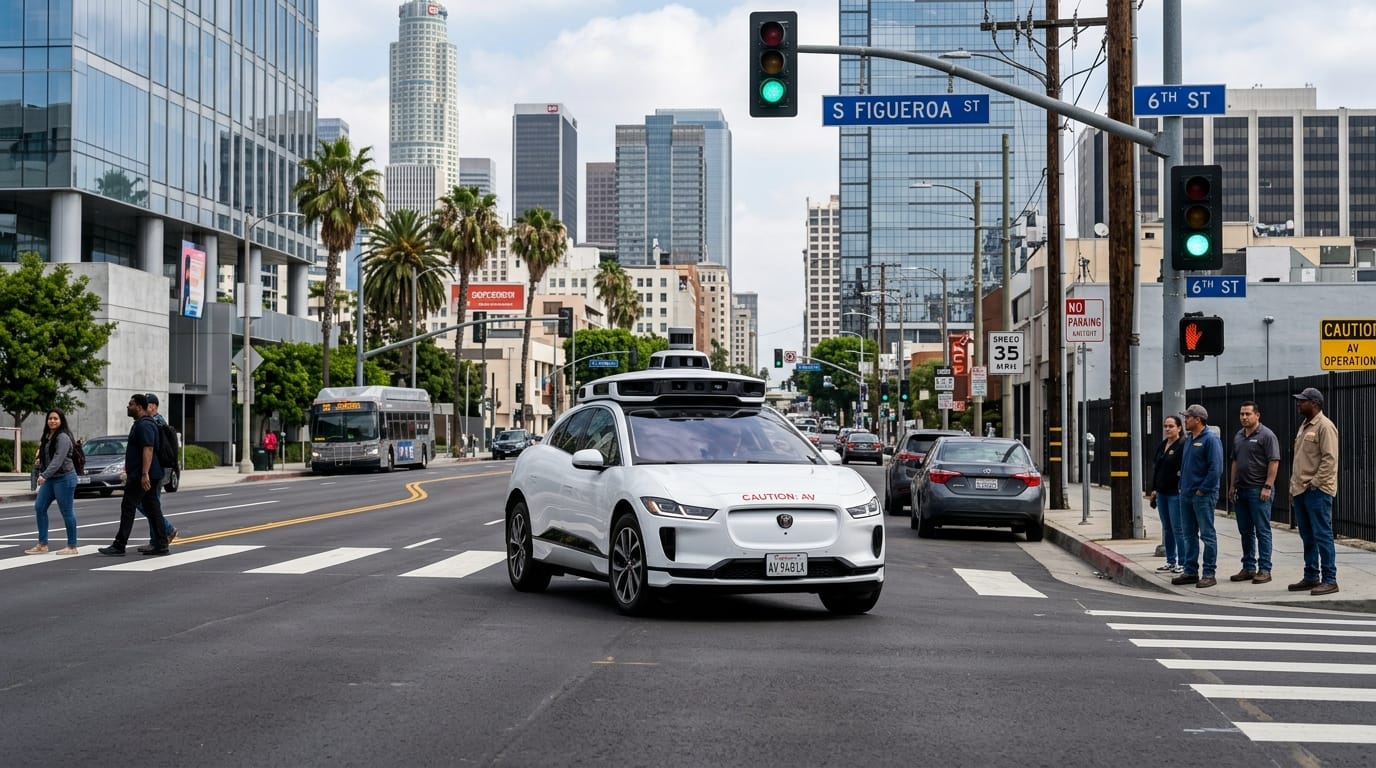
Autonomous vehicle accident claims are becoming a bigger issue in California as driverless cars, robotaxis, driver-assist systems, and advanced vehicle software continue to expand on public roads. These cases can feel confusing because the person behind the crash may not be a traditional driver. In some cases, no one sits behind the wheel at all.
California is now updating how it handles autonomous vehicles. New rules give regulators and law enforcement more tools to hold AV companies accountable when a vehicle violates traffic laws or creates safety problems. That matters for accident victims because liability may involve a manufacturer, software operator, vehicle owner, remote support team, human driver, rideshare company, or another negligent party.
For injured people, the biggest mistake is treating an autonomous vehicle crash like a normal fender bender. These claims often depend on fast evidence collection, vehicle data, camera footage, software logs, police records, and insurance review. If important data disappears, the case can become much harder to prove.
This guide explains how autonomous vehicle accident claims may work in California, who may be liable, what evidence matters, and what injured people should do after a crash involving a driverless or semi-autonomous vehicle.
Why Autonomous Vehicle Accident Claims Are Trending in 2026
Autonomous vehicles are no longer a future idea. They already operate in parts of California, and more companies want to test or deploy advanced vehicle systems. Some vehicles use full driverless technology. Others use driver-assist systems that still require a human driver to stay alert.
The legal problem starts when people misunderstand the technology. A driver may trust a system too much. A company may argue that the vehicle operated safely. A victim may not know who controlled the car at the moment of impact. Those questions can affect fault and compensation.
The California DMV recently adopted new autonomous vehicle regulations that expand safety and oversight rules. The updated rules allow law enforcement agencies to cite AV companies for moving violations committed by their vehicles. They also require AV companies to respond to first-responder calls within 30 seconds and follow emergency geofencing instructions during active safety incidents.
California’s official DMV announcement on autonomous vehicle regulations is a strong outside resource for this issue. These rules show that California wants innovation, but it also wants more accountability when driverless technology enters public roads.
Who May Be Liable After a Driverless Car Crash?
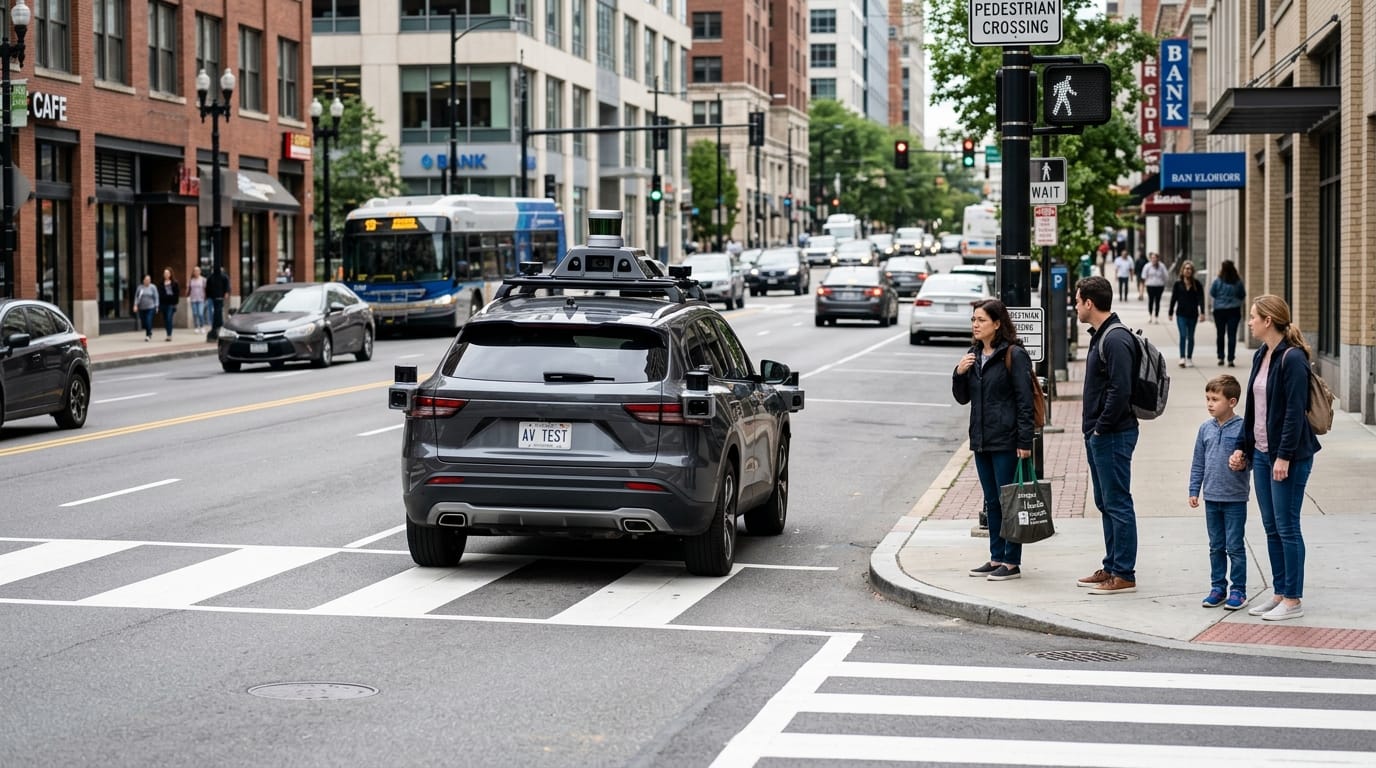
Liability depends on the facts. In a traditional crash, the claim usually starts with the drivers. In an autonomous vehicle case, the claim may start with the vehicle’s operating mode. Was a human driving? Was driver-assist engaged? Was the vehicle fully autonomous? Did a remote operator intervene? Did software fail to respond?
A manufacturer may face liability if the vehicle made an unsafe decision, failed to detect a hazard, ignored traffic laws, or malfunctioned. A technology company may face scrutiny if software, sensors, mapping data, or remote support contributed to the crash. A vehicle owner may also carry responsibility if they ignored warnings, failed to maintain the system, or used the vehicle outside approved limits.
A human driver can still be liable in many cases. Some vehicles offer driver-assist features, not true self-driving. If the system requires supervision, the driver must remain alert. A driver cannot simply blame the car if they ignored the road, looked at a phone, or failed to take control when needed.
Manufacturer and Software Liability
Manufacturer liability may become important when the crash involves a system decision. The vehicle may fail to stop for a pedestrian, misread lane markings, make an unsafe turn, or stop suddenly in traffic. In those cases, attorneys may review software behavior, sensor performance, maintenance records, updates, and company safety reports.
These claims can overlap with product liability. The injured person may argue that the vehicle or software had a defect. The claim may also focus on warnings. If the company failed to explain system limits clearly, that can matter. A driver or passenger may not understand when the technology works and when it does not.
Human Driver and Owner Responsibility
Not every advanced vehicle crash points only to the manufacturer. Human drivers still create risk. A driver may misuse driver-assist technology, ignore dashboard alerts, fail to keep hands ready, or drive in conditions that the system cannot handle.
Vehicle owners may also create problems. They may skip repairs, ignore recalls, disable safety alerts, or fail to install important updates. If poor maintenance contributed to the crash, the owner may become part of the claim.
What To Do After an Autonomous Vehicle Accident
After a crash, your first priority is safety. Call 911 if anyone feels pain, feels dizzy, cannot move safely, or shows signs of injury. Ask for medical help right away. Some injuries do not show clear symptoms at the scene.
Report the crash to police. This step matters even more when the crash involves advanced technology. The report can document vehicle details, location, witness names, statements, road conditions, and whether the vehicle appeared to operate without a driver.
Take photos and videos if you can do so safely. Capture the vehicle, license plate, damage, road signs, lane markings, traffic signals, skid marks, nearby cameras, and weather conditions. If the vehicle has no human driver, document that fact clearly.
Do not guess about what the vehicle did. Say what you saw and felt. Avoid detailed recorded statements to insurance companies before you understand your rights. AV cases can involve several insurers and corporate teams. They may move quickly to control the story.
Evidence That Can Make or Break the Claim
Strong evidence matters in all injury cases. It matters even more in autonomous vehicle accident claims. These cases often depend on digital proof. That may include vehicle logs, sensor data, onboard cameras, dashcam footage, GPS records, remote operator communications, event data recorder information, and software status at the time of impact.
Evidence can disappear quickly. Vehicles may receive software updates. Cameras may overwrite footage. Companies may move the vehicle. Repair work may affect physical evidence. That is why early preservation matters.
Victims should also look for outside video. Nearby businesses, apartment buildings, buses, delivery vehicles, and rideshare cars may have cameras. A short clip can show traffic light color, vehicle movement, braking, and lane position. That footage can help challenge a company or insurer that tries to minimize fault.
Vehicle Data, Cameras, and Digital Logs
Autonomous vehicles use sensors and software to make driving decisions. Those systems may create records that explain what happened before the crash. Data may show speed, braking, steering, detected objects, route, system warnings, and whether the autonomous mode was active.
This connects closely with your site’s guide on California dashcam and black box evidence. Modern accident claims often turn on digital proof. The sooner that evidence gets preserved, the stronger the claim may become.
Insurance and Damages in AV Injury Cases
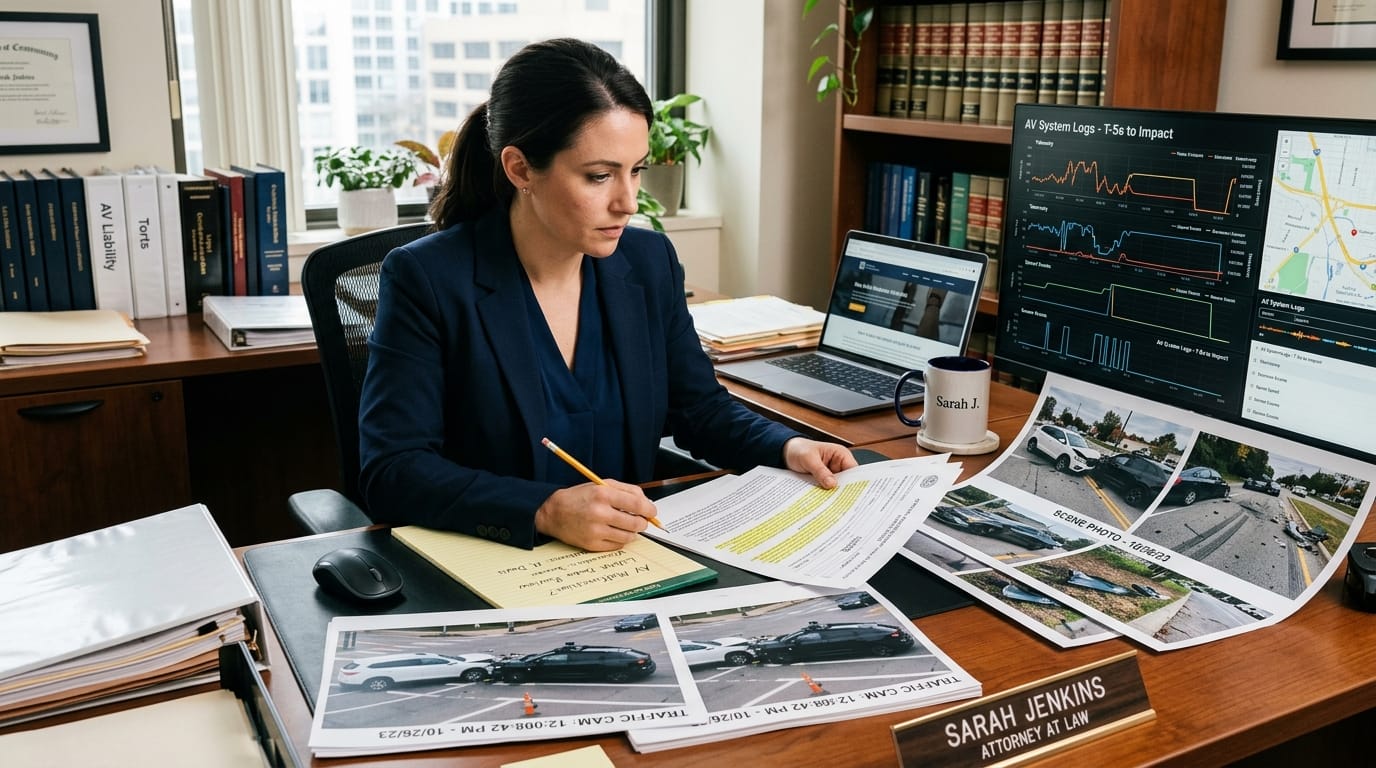
Insurance can become complicated after an autonomous vehicle crash. A normal driver may have a personal auto policy. A robotaxi company may have commercial coverage. A testing company may have separate insurance requirements. A manufacturer may face product liability exposure.
The injured person should not assume one policy covers everything. Several policies may apply. Several companies may also deny responsibility at first. One insurer may blame the vehicle owner. Another may blame the software company. Another may argue that a human driver failed to intervene.
Damages may include medical bills, future care, lost income, reduced earning ability, pain, emotional distress, property damage, and out-of-pocket costs. If the vehicle damage affects resale value, your claim may also connect with California diminished value claims.
Passengers should also pay attention. A person injured inside a driverless taxi or app-based vehicle may need to review company coverage, trip records, app status, and commercial insurance. For a related guide, read California rideshare accident claims in 2026.
Deadlines and Early Legal Action Matter
Deadlines can affect every injury claim. Some claims have standard filing deadlines. Others may involve shorter notice rules if a public agency, public road design issue, or government vehicle played a role. Do not wait until symptoms, bills, and insurance letters pile up.
Early action can protect evidence. It can also identify the right parties before they blame each other. In AV cases, that may include the vehicle manufacturer, software developer, fleet operator, remote support provider, maintenance contractor, human driver, vehicle owner, or another negligent party.
Final takeaway: Autonomous vehicle accident claims in California are not simple car crash cases. They can involve software, vehicle data, remote operators, corporate insurance, product liability, and new state regulations. If you were injured in a crash involving a driverless or semi-autonomous vehicle, get medical care, document the scene, preserve digital evidence, and review every possible source of liability before accepting an insurance company’s version of what happened.