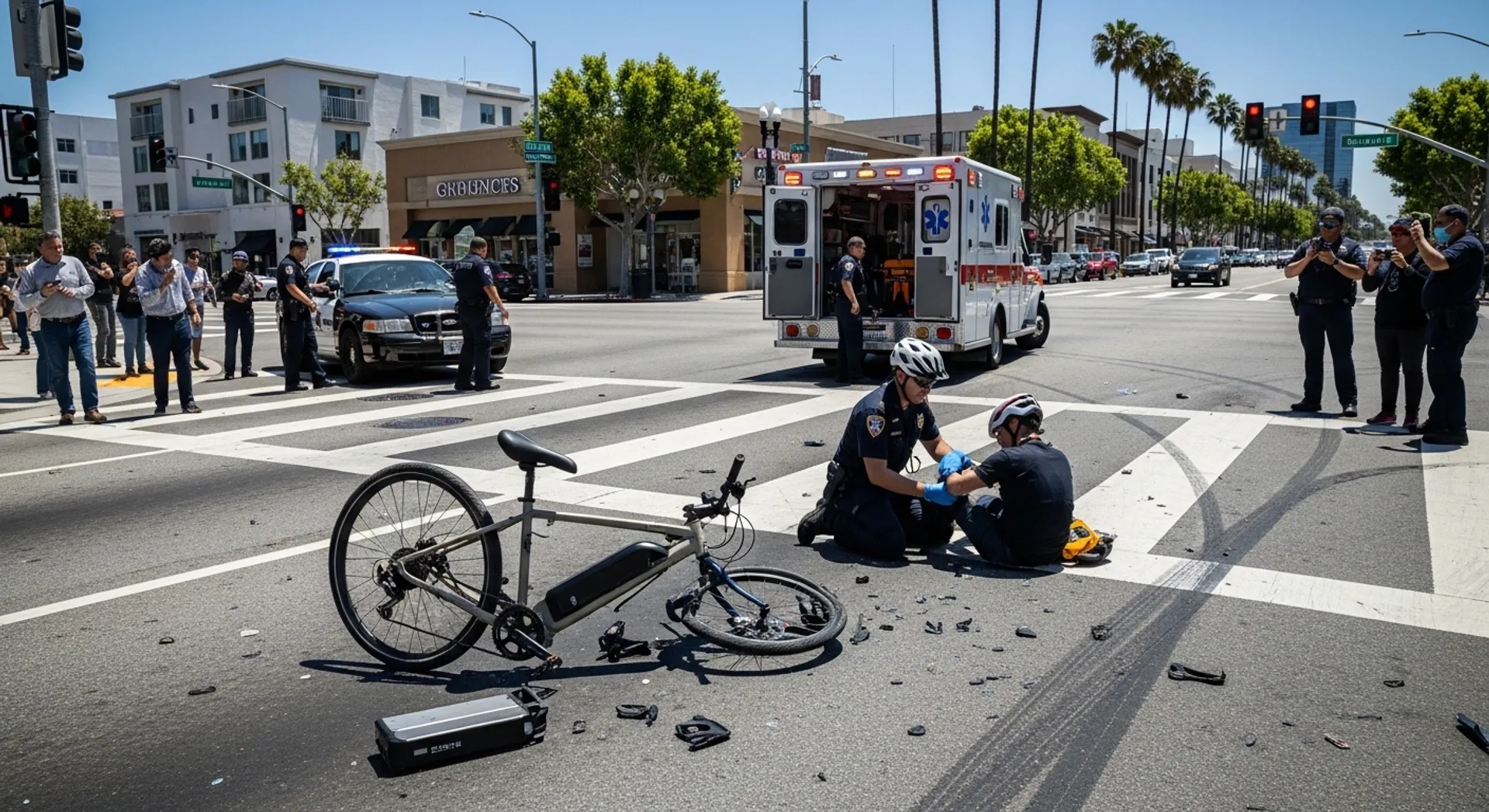
E-bikes are everywhere in California now. Riders use them for school, work, errands, and short city trips. That convenience has also created more crashes, more serious injuries, and more legal questions. In 2026, those questions matter even more because California added new rules that affect how electric bikes must be equipped and used. If you are dealing with a California e-bike accident claim 2026, those law changes may shape both liability and evidence in your case.
Many people still treat e-bike crashes like simple bicycle accidents. That is a mistake. E-bike cases often involve speed, rider age, safety equipment, bike classification, road-use rules, and product-related issues that do not come up in a standard pedal-bike case. When the crash involves a child, a rental device, a modified e-bike, or a vehicle driver who failed to yield, the legal analysis can become even more complicated.
California’s 2026 updates did not create all e-bike rules from scratch, but they did tighten several requirements. Current reporting says the new rules include rear red lights or reflectors at all times, stricter safety and battery standards, and additional youth-safety requirements, including training rules for some minors. Those changes matter because a violation can affect how insurers and defense lawyers frame fault after a crash. It may not decide the entire case, but it can become part of the argument. :contentReference[oaicite:1]{index=1}
Why E-Bike Injury Claims Are Becoming More Complicated in 2026
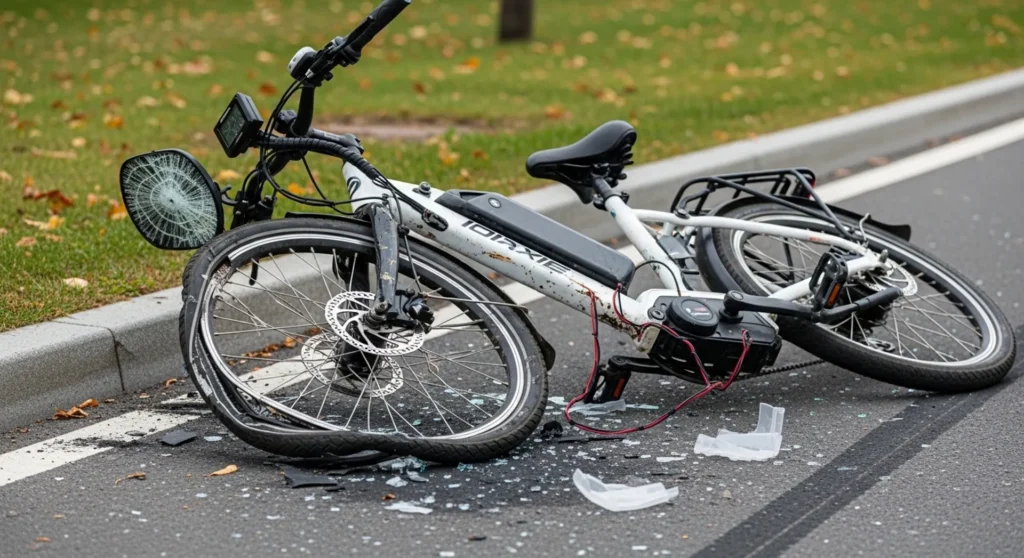
E-bike claims are no longer niche cases. They now sit at the intersection of traffic law, injury law, product safety, and sometimes parental or commercial liability. That is exactly why they deserve their own analysis instead of getting lumped into basic bike-accident advice.
New Safety Rules Can Influence the Fault Debate
In many injury cases, the defense looks for any rule violation it can use to reduce payout exposure. With e-bikes, that can mean arguing that the rider lacked required equipment, ignored operating restrictions, or used a noncompliant bike. California’s 2026 changes give those arguments more room to show up, especially in cases involving minors, nighttime riding, or questionable device setup. :contentReference[oaicite:2]{index=2}
That does not mean an injured rider automatically loses the claim because of a technical violation. California still applies comparative fault principles, so the real issue is how much each party contributed to the crash. A careless driver who turns across a bike lane, opens a door into traffic, or fails to check an intersection may still carry major responsibility even if the rider also made a mistake. The facts still matter more than the defense spin. Accident-attorney.net already covers comparative negligence and accident compensation generally, which makes this topic a natural internal link fit for the site. :contentReference[oaicite:3]{index=3}
Minors Create a Different Liability Conversation
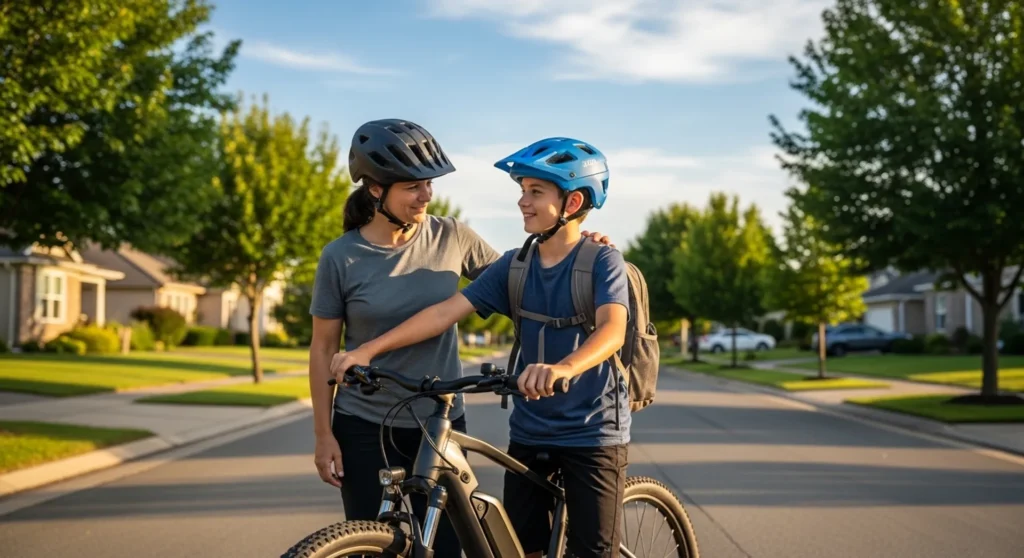
E-bike cases involving children and teens often raise harder questions than adult-rider cases. Parents may wonder whether the child can be blamed, whether household insurance comes into play, and whether another adult or company should have prevented the risk. Recent reporting on California litigation has shown that even minors can become part of a civil liability fight after a serious e-bike incident, especially when the injuries are catastrophic or fatal. :contentReference[oaicite:4]{index=4}
That matters because insurers may try to frame a youth e-bike crash as nothing more than unsafe teen behavior. In reality, the case may also involve negligent drivers, road-design problems, poor supervision, unsafe product design, or noncompliant equipment. The law does not reduce every serious e-bike injury to one bad choice by a young rider. It asks who created the risk and who failed to avoid foreseeable harm.
Classification and Modification Can Change the Case
Not every machine sold as an e-bike fits neatly into the same legal category. California’s 2026 reporting has also highlighted tighter rules around high-speed electric devices and safety compliance, while recent legal analysis on electric dirt bikes shows how quickly these cases can shift when the vehicle falls outside ordinary bike rules. That matters because a faster, modified, or misclassified device may lead to different arguments about road access, expected behavior, and insurance coverage. :contentReference[oaicite:5]{index=5}
Many E-Bike Crashes Involve More Than One Potentially Liable Party
Some e-bike crashes look simple at first and then get more complicated once the facts come out. A rider may have been hit by a negligent driver. But the case might also involve a rental company, a delivery platform, a product manufacturer, a city entity responsible for a dangerous roadway condition, or a parent who entrusted the device in an unsafe way. The wider the liability picture, the more important early evidence becomes.
This fits well with the site’s existing posts on hit-and-run claims, pedestrian cases, and driver-assist crash liability, all of which show that modern accident cases often involve layered responsibility instead of a single obvious defendant. :contentReference[oaicite:6]{index=6}
What Injured Riders Should Do After an E-Bike Crash in California
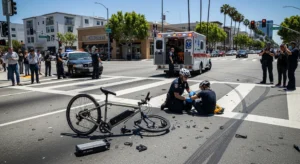
After an e-bike collision, the first priority is medical care. That sounds obvious, but it matters more than many riders realize. Some injuries get worse over time, especially head injuries, fractures, internal trauma, and soft-tissue damage. Prompt treatment protects your health and also creates the medical record needed to link the crash to your injuries.
Preserve the Bike, Gear, and Digital Evidence
Do not rush to repair or throw away the e-bike. Keep the damaged bike, helmet, lights, charger, and any mounted device if possible. Photograph the bike from multiple angles. Save app data, trip logs, receipts, product listings, and maintenance records. If the e-bike was rented or app-connected, save screenshots before they disappear.
That evidence matters because e-bike cases often turn on details. Was the rear light working? Was the device modified? Did the rider use a compliant bike? Did the crash happen in a bike lane, crosswalk, driveway exit, or traffic lane? Physical and digital evidence can answer those questions better than memory alone.
Document the Road and Traffic Environment
Take photos of the scene as soon as you can. Capture lane markings, bike-lane boundaries, traffic signals, parked cars, sight obstructions, pavement defects, skid marks, debris, and weather conditions. Get witness names and contact details. If a driver claimed not to see the rider, the surrounding environment may help prove why that excuse does or does not hold up.
Many serious e-bike claims rise or fall on fast evidence collection. That is consistent with the site’s recent hit-and-run post, which already emphasizes how quickly useful proof can disappear after a crash. :contentReference[oaicite:7]{index=7}
Avoid Making the Defense Case for Them
Do not assume that because you were on an e-bike, you must have caused the crash. Drivers and insurers often lean into anti-e-bike bias. They may say the rider was weaving, going too fast, or acting unpredictably before they even have the facts. Some of those cases will involve rider fault. Many will not. Let the evidence, not the stereotypes, tell the story.
Why This Topic Belongs on Accident-Attorney.net Right Now
This subject fits the site because it builds directly on live content themes the blog already covers: modern accident liability, California compensation issues, and evidence strategy. It also matches what is happening in California now. E-bike regulation tightened in 2026, youth and device-safety concerns remain active, and electric micromobility keeps creating new accident fact patterns that older legal guides do not explain well. :contentReference[oaicite:8]{index=8}
The bottom line is simple. An e-bike injury claim in 2026 is not just a bicycle case with a battery attached. It may involve traffic-law compliance, rider age, product design, equipment rules, comparative fault, and multiple insurance layers at once. Anyone hurt in this type of crash should treat the case like a modern injury claim, not an old-fashioned bike accident.
For external authority links, you can point readers to the California DMV and current statewide legal coverage on new 2026 traffic and e-bike rules, plus broader e-bike safety guidance from recognized consumer-safety sources. :contentReference[oaicite:9]{index=9}