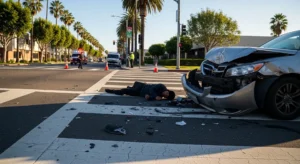
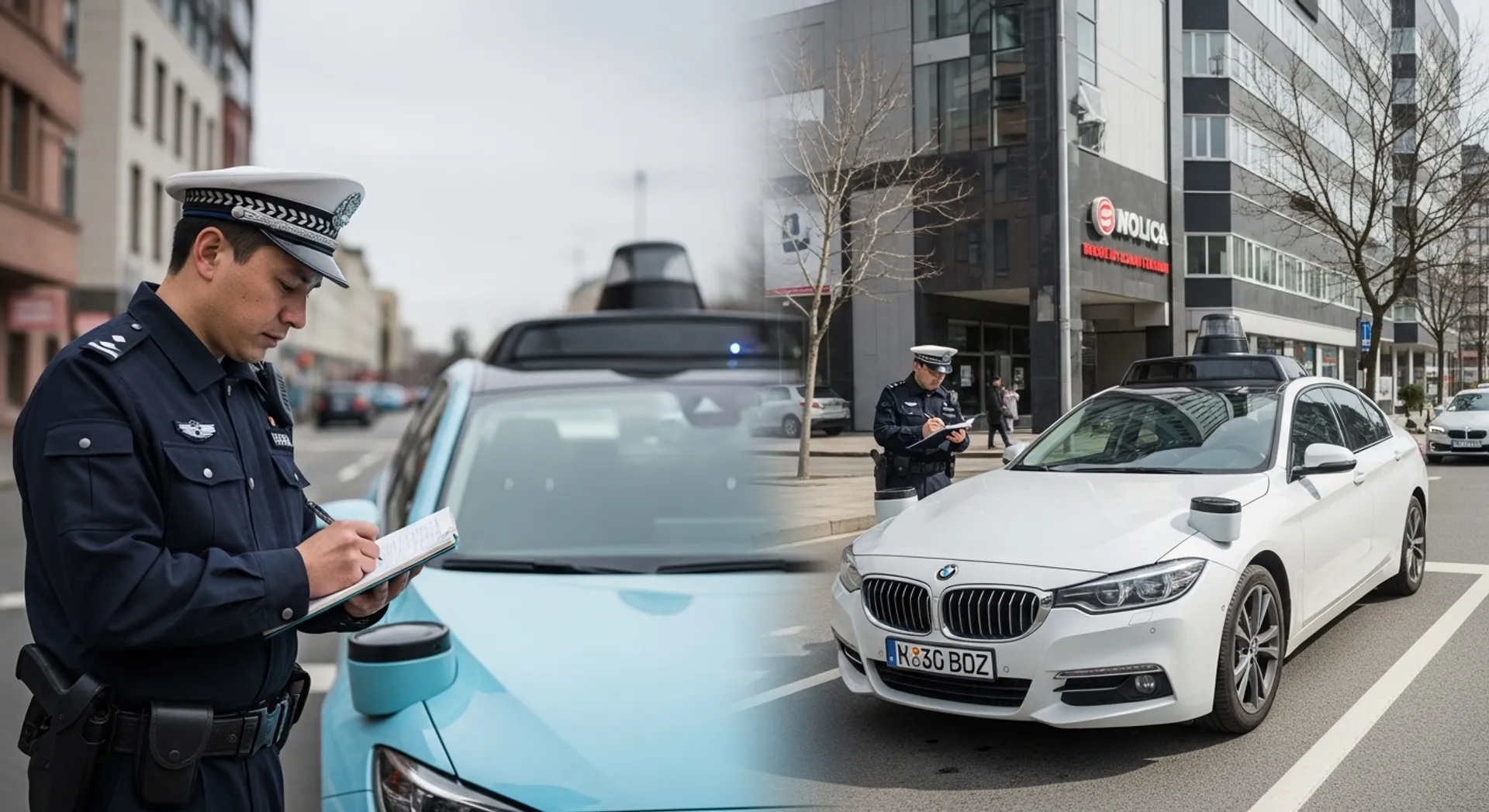
Cars are getting smarter, but accident claims are getting messier. In 2026, more drivers are relying on advanced driver assistance systems like lane-keeping assist, adaptive cruise control, automatic emergency braking, blind-spot monitoring, and hands-on highway driving features. These tools can help reduce certain risks, but they also create a dangerous misunderstanding: many people assume the car is driving itself when it is not.
That confusion matters after a crash. When a driver-assist or semi-autonomous vehicle is involved in an accident, the central question is no longer just, “Who caused the collision?” It often becomes, “Was this driver error, system failure, poor warning design, bad maintenance, or some combination of all four?” That is exactly why these cases are gaining attention in 2026.
If you were injured in a crash involving a vehicle with driver-assist technology, you need to understand that these cases are not handled like ordinary fender-benders. The evidence is more technical, the insurance arguments are more aggressive, and liability may extend beyond the driver.
What Counts as a Driver-Assist or Semi-Autonomous Vehicle?
Most so-called “self-driving” cars on public roads today are not fully autonomous. Many are equipped with Level 2 driver assistance features, which means the vehicle can help with steering, speed, or braking in certain situations, but the human driver is still expected to supervise the system and take over immediately when needed.
That distinction is critical. A lot of post-crash disputes happen because the driver says the system failed, while the manufacturer argues the human was still responsible for monitoring the road. In other words, the technology may assist, but it usually does not eliminate the driver’s legal duty to operate the vehicle safely.
Why These Accident Cases Are Trending in 2026
Driver-assist crash claims are becoming more relevant because these features are now built into more mainstream vehicles, not just luxury models. At the same time, regulators are paying closer attention to how these systems perform in the real world, especially when crashes involve injuries, pedestrians, cyclists, or emergency scenes.
For accident victims, that trend matters because it means there is more public attention, more technical data, and more scrutiny over what the vehicle was doing in the seconds before impact. It also means manufacturers and insurers are preparing stronger defenses.
Who Can Be Liable After a Driver-Assist Crash?
One of the biggest mistakes people make is assuming liability ends with the driver. In many ADAS-related crashes, several parties may share responsibility.
1. The Driver
In many cases, the human driver is still the main liable party. If the driver relied too heavily on the system, ignored warnings, looked away from the road, or failed to take control in time, that can support a negligence claim. Driver-assist features are not an excuse for distraction.
2. The Vehicle Manufacturer
If the system malfunctioned, failed to detect a hazard, braked unexpectedly, steered improperly, or gave misleading safety cues, the manufacturer may face a product liability claim. This is especially important when the marketing suggests the vehicle is more capable than it really is.
3. A Software or Component Company
Modern vehicles rely on sensors, cameras, radar, software logic, and electronic control systems. If a defective component or coding issue contributed to the crash, another company in the supply chain may also be involved.
4. A Fleet Owner, Employer, or Commercial Operator
If the vehicle was part of a company fleet, rideshare operation, delivery service, or employer-owned transportation system, the business itself may share liability depending on ownership, maintenance, and scope of employment.
5. A Maintenance Provider
Driver-assist systems depend on properly aligned sensors, functional cameras, software updates, and undamaged body components. If poor repair work or bad calibration affected the system, the shop or technician may become part of the case.
What Makes These Cases Harder Than Normal Car Accident Claims?
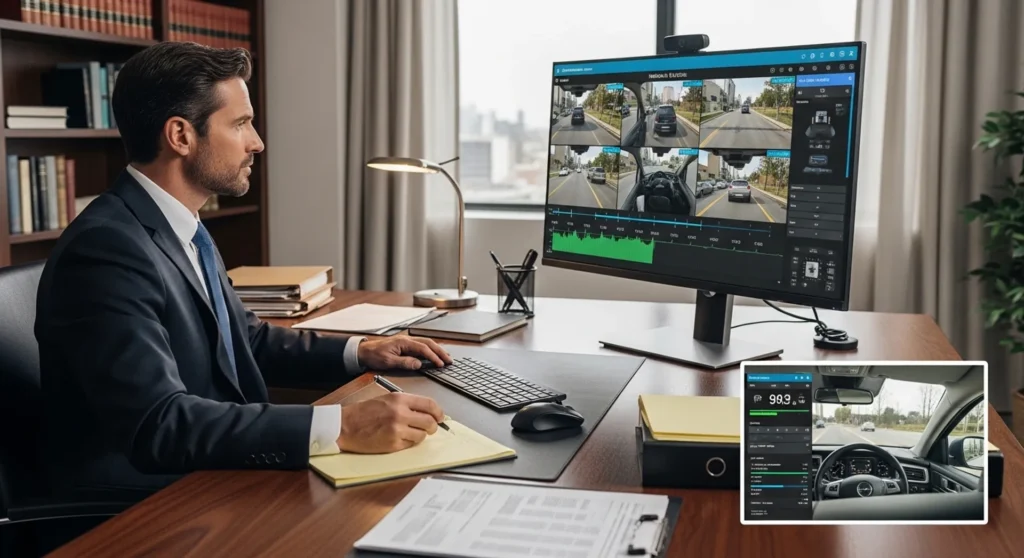
Traditional crash cases often focus on witness statements, vehicle damage, photos, and medical records. Those still matter here, but ADAS and semi-autonomous cases usually involve an extra layer of digital evidence.
- Vehicle event data recorder information
- Dashcam or onboard camera footage
- System status logs showing whether a feature was active
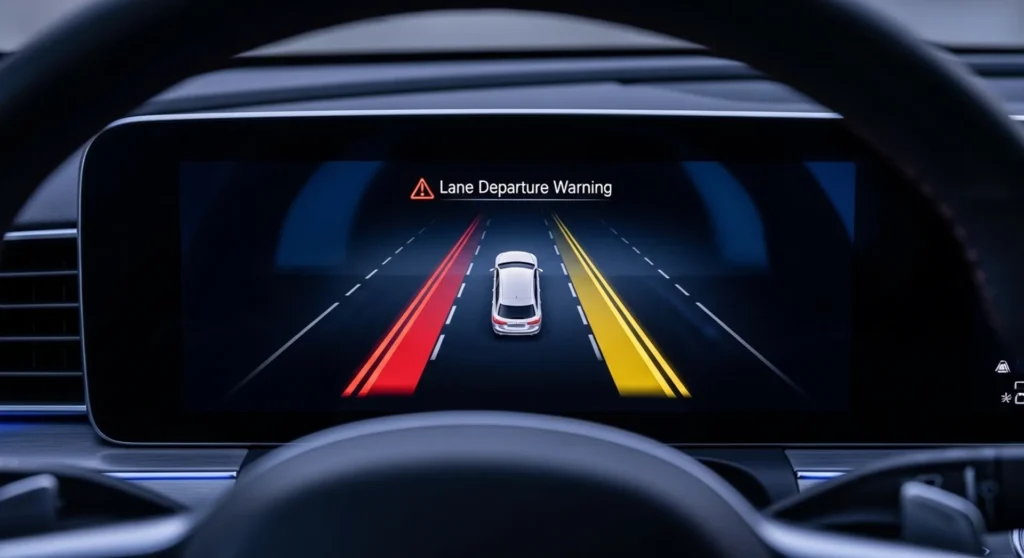
- Driver alerts, warnings, or disengagement records
- Software version history and update records
- Repair and calibration records
That evidence can change everything. A driver may claim the technology was engaged, while the data may show it was off. Or a manufacturer may argue the driver ignored repeated warnings. Without the digital record, the insurance company will usually shape the story in its own favor.
This is also a good place to internally link to AI and Digital Evidence in Personal Injury Cases: What to Expect in 2025 and How AI and Technology Are Changing Personal Injury Claims in 2025.
Common Injuries in Semi-Autonomous Vehicle Crashes
These crashes can cause the same severe injuries seen in other motor vehicle collisions, especially when the impact happens at highway speed or the driver fails to react in time because they trusted the system too much.
- Traumatic brain injuries
- Neck and back injuries
- Spinal cord damage
- Broken bones
- Internal bleeding
- Facial injuries and lacerations
- Long-term orthopedic pain
Victims are often left dealing with medical bills, lost wages, reduced work capacity, and a long recovery timeline. In serious cases, future care and pain and suffering can become major parts of the claim.
What To Do After a Crash Involving Driver-Assist Technology
If you suspect the other vehicle was using driver-assist features, or your own vehicle was, take the case seriously from the start.
Get medical treatment immediately
Your health comes first, and timely treatment also creates a clear medical record.
Call law enforcement
A police report helps document the scene, statements, and visible contributing factors.
Take detailed photos and video
Document the road, damage, skid marks, lane markings, weather, traffic signals, dashboard warnings, and anything unusual inside the vehicle.
Preserve the vehicle if possible
Do not rush into repairs if system failure may be an issue. The car itself may be critical evidence.
Ask about onboard data
Vehicle logs, app data, and telematics may need to be preserved before they are overwritten or lost.
Be careful with insurance statements
Insurers may try to pin the crash on “driver misuse” before all the technical evidence is reviewed.
You can also add an internal link here to Common Mistakes to Avoid When Filing an Accident Claim.
How Comparative Fault Can Affect the Case
In many states, comparative negligence rules may reduce compensation if the injured person is found partly at fault. That issue becomes especially important in driver-assist crashes. A defense team may argue the victim changed lanes suddenly, stopped unexpectedly, ignored signals, or contributed to the chain of events in some way.
At the same time, the defense may also try to shift blame between the driver and the technology provider. That leaves victims stuck in the middle unless the case is investigated aggressively.
This section is a natural place to link to Comparative Negligence in California Car Accidents: What Victims Need to Know in 2025.
Why Early Investigation Matters
Time is a real problem in these claims. Electronic records may be overwritten. Vehicles get repaired. Software updates change system behavior. Companies lock down data quickly. Witness memory fades. If a pedestrian or cyclist was involved, the physical scene may also disappear fast.
That is why early legal action matters. A strong claim may require preservation letters, technical review, vehicle inspection, and a clear strategy before the defense gets too far ahead.
If the crash involved a person outside the vehicle, this article can internally link to Pedestrian Accidents in California: Who Is Liable and What Victims Should Do.
Final Thoughts
Driver-assist technology may change how crashes happen, but it does not eliminate accountability. In fact, it often multiplies the number of legal questions after a collision. The driver may still be liable. The manufacturer may share fault. A defective sensor, poor calibration, or misleading system design may become the center of the case.
That is why victims should not treat these crashes like ordinary accident claims. If a vehicle with ADAS or semi-autonomous features was involved, the case needs fast evidence preservation, technical analysis, and a legal strategy built for modern car technology.
If you were injured in a crash involving driver-assist or semi-autonomous features, speaking with an experienced accident attorney early can help protect your rights, preserve the evidence, and position your claim for a fair recovery.
For additional safety and regulatory context, see the NHTSA Standing General Order on crash reporting for ADS and Level 2 ADAS.