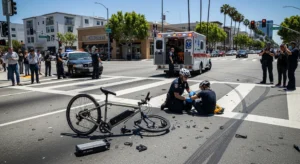
Few crashes create more confusion and frustration than hit-and-run accidents. One moment you are dealing with a sudden impact, and the next the other driver is gone. That leaves injured victims with a long list of problems at once: medical care, vehicle damage, insurance questions, and the stress of not knowing whether the person who caused the crash will ever be identified. In hit-and-run accidents in California 2026, the biggest mistake people make is assuming they have no claim just because the at-fault driver fled.
That is not always true. In many cases, your own uninsured or underinsured motorist coverage may become one of the most important financial protections available. At the same time, these cases are won or lost on speed. Video disappears. Witnesses stop answering unknown numbers. Vehicles get repaired. Memories fade. The first hours and days after a hit-and-run can shape the entire value of the case.
If you have not already done so, start with What to Do After a Car Accident: A Step-by-Step Legal Guide. It pairs well with this post because hit-and-run cases still depend on the same core principle: protect your health first, then protect the evidence before it is lost.
Why hit-and-run claims are different
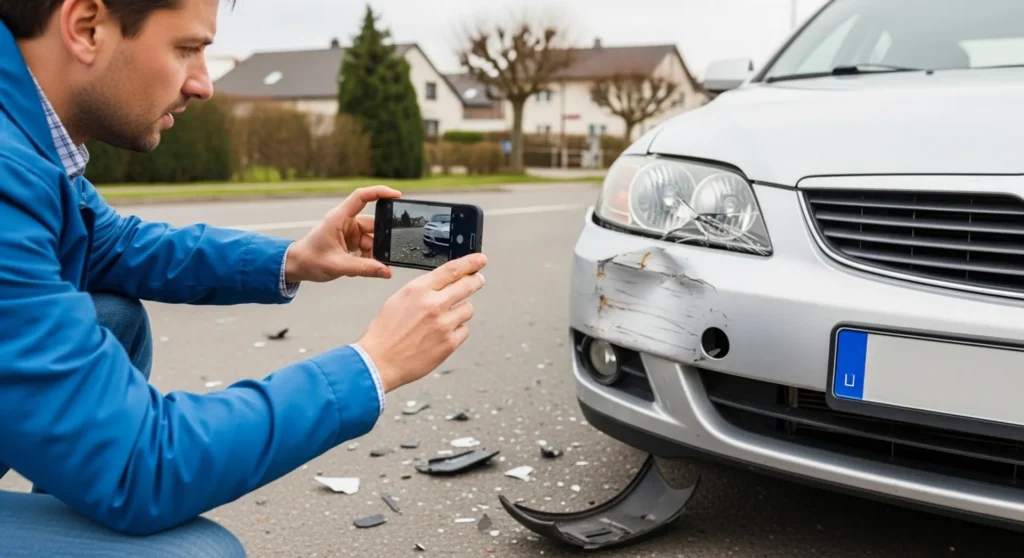
A normal injury claim usually begins with one obvious target: the at-fault driver and that driver’s insurance company. A hit-and-run case is different because the investigation often starts with a missing person and a missing policy. That changes how the claim develops.
Instead of immediately negotiating with the other side, your case may shift toward your own policy, especially if you carry uninsured motorist or underinsured motorist coverage. That sounds straightforward, but it often is not. Your insurer may still investigate aggressively, question how the crash happened, or challenge the severity of your injuries. In other words, just because it is your own policy does not mean the process becomes easy.
That is one reason hit-and-run accidents in California 2026 deserve their own discussion. These claims sit at the intersection of injury law, insurance law, and evidence preservation. They are not just “regular car accident cases without a known driver.”
How UM/UIM coverage may help after a hit-and-run
Many drivers do not fully understand their uninsured and underinsured motorist coverage until after a crash. That is a problem because this coverage can become central in a hit-and-run injury claim.
In general terms, uninsured motorist bodily injury coverage may help pay for injury-related losses when the at-fault driver has no insurance or cannot be identified. Underinsured motorist coverage may help when the driver is found but does not carry enough coverage to fully pay for the damage they caused. Depending on the facts and the policy, this can help with medical expenses, lost income, and other injury-related damages.
That issue matters in California because minimum liability coverage still does not go very far in a serious crash. Even when the driver is located, there may not be enough coverage to make the victim whole. When the driver flees entirely, the pressure on UM/UIM coverage becomes even more obvious.
For a broader look at how modern claims are changing, see How AI and Technology Are Changing Personal Injury Claims in 2025. Digital tools now play a major role in proving how these crashes happen and who may be financially responsible.
The evidence that matters most in a hit-and-run case
1. Photos and video from the scene
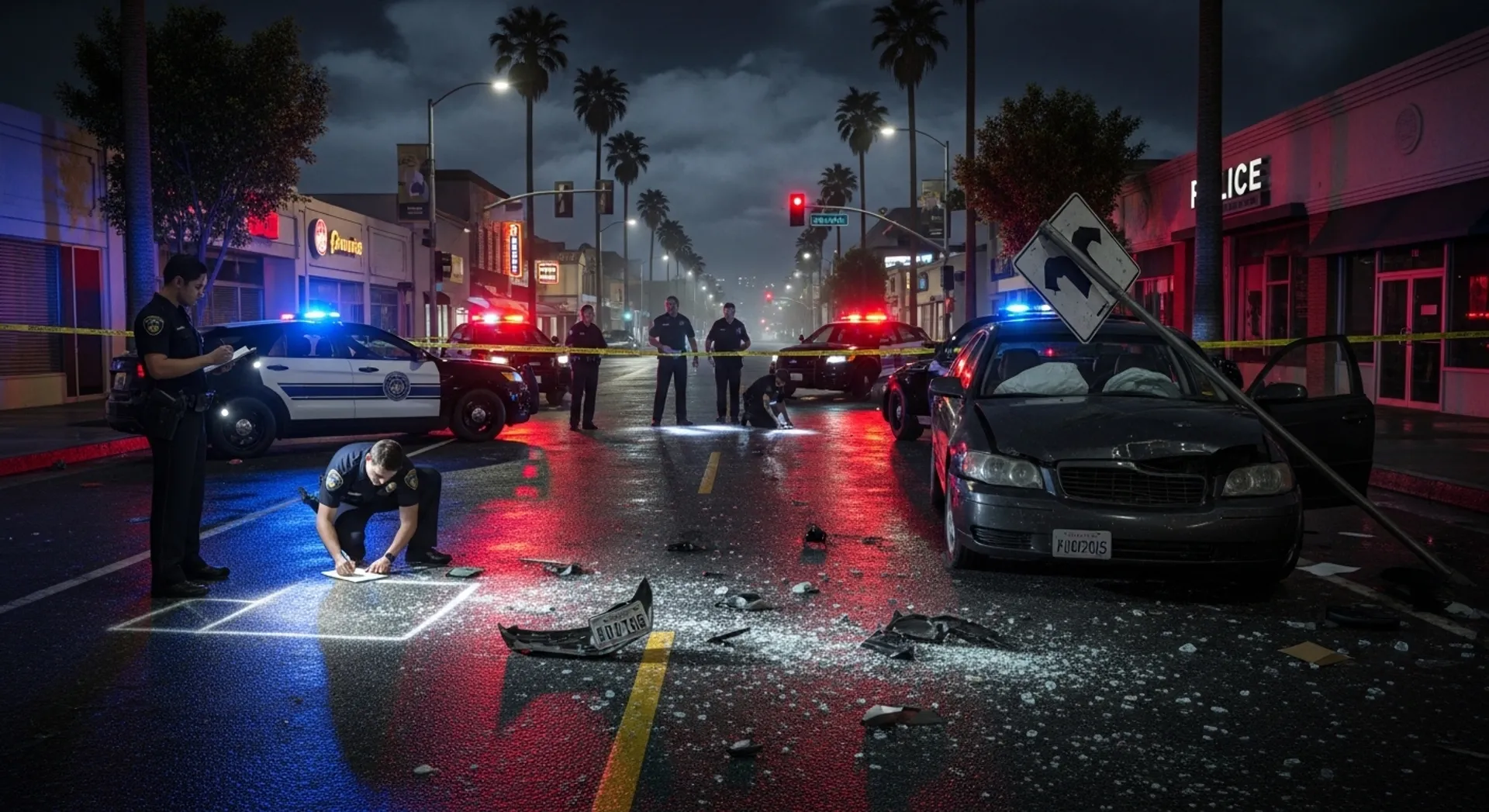
Take photos immediately if you can do so safely. Capture the damage to your vehicle, debris on the road, skid marks, nearby traffic signals, road signs, and any paint transfer or broken parts left behind. Small details can later help identify the type of vehicle that fled.
Video is even better. Dashcam footage, nearby business cameras, residential security cameras, and parking lot surveillance can all be critical. The problem is that many systems overwrite footage quickly. That is why speed matters.
2. Witness names and contact details
Witnesses are often the difference between a vague story and a usable case file. Someone may have seen the make, model, color, or partial plate of the fleeing vehicle. Someone else may have noticed the driver run a red light, drift across lanes, or speed away after impact. Collect names and contact details before people leave.
3. Medical records that connect the crash to the injury
Insurance companies love delay. If you wait too long to get treatment, they will argue that your injuries were minor, unrelated, or made worse by something else. Prompt treatment helps protect both your health and the timeline of your case.
4. Police reports and DMV reporting
A police report may help lock in the basic facts, preserve statements, and create an official record of the hit-and-run. In California, DMV reporting requirements can apply separately from any police response. Missing those steps can complicate the claim later.
5. Vehicle inspection and repair records
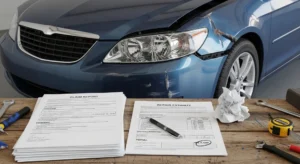
Do not rush to erase the evidence. Before major repairs begin, make sure the damage is thoroughly documented. The location and type of impact may support how the crash happened, whether there was contact, and what kind of vehicle caused it.
What to do in the first 24 hours

- Call 911 or local law enforcement. Report the crash and make clear that the other driver left the scene.
- Get medical attention. Even injuries that seem minor can worsen later.
- Photograph everything. Focus on damage, road conditions, debris, and the surrounding area.
- Look for cameras. Gas stations, homes, stores, apartments, and traffic-adjacent businesses may have footage.
- Notify your insurer promptly. Give factual information, but do not guess.
- Write down everything you remember. Color, direction of travel, speed, sounds, decals, lighting, and any part of the plate can matter.
- Talk to a lawyer early. A fast preservation effort can make a major difference.
This is also where your online behavior matters. After any crash, avoid posting speculation, jokes, or confident statements about how you feel physically. Your own words can be used against you later. For that issue, read How Social Media Posts Can Make or Break Your Accident Claim in 2025.
Common mistakes that weaken hit-and-run claims
- Waiting too long to report the crash. Delay gives insurers room to question the story.
- Assuming no driver means no case. UM/UIM coverage may still open a path to recovery.
- Repairing the vehicle too soon. Damage patterns may matter later.
- Ignoring follow-up care. Gaps in treatment hurt injury credibility.
- Overexplaining to insurance adjusters. Stick to facts and avoid guessing.
- Missing formal reporting deadlines. Administrative deadlines can matter as much as medical records.
What compensation may be available?
Every case is different, but a successful hit-and-run injury claim may include compensation for emergency care, hospital bills, specialist visits, follow-up treatment, rehabilitation, prescription costs, lost wages, reduced earning ability, pain and suffering, and property damage. In more severe cases, future treatment and long-term limitations may significantly raise the value of the claim.
That is especially true when the crash caused serious injuries such as fractures, head trauma, spinal injuries, or surgeries. The legal value of a case is not just about the collision itself. It is about the full financial and human cost of what the crash changed.
Why this topic is especially relevant now
The reason hit-and-run accidents in California 2026 is such a strong content topic right now is simple: uninsured-driver exposure remains real, digital evidence matters more than ever, and California victims still need to move quickly to protect both insurance and legal rights. A claim can go from strong to weak fast when key footage is lost or deadlines are missed.
Your site already covers the technology side of modern injury law, and this post strengthens that cluster in a practical way. It gives readers a real-world scenario where evidence, insurance, and timing collide in one urgent problem.
Final thoughts
When a driver flees, the case feels personal. It leaves victims dealing not only with injury, but also with uncertainty and anger. Still, a fleeing driver does not always destroy the claim. In many situations, the smarter path is to act quickly, preserve every piece of evidence you can, and look closely at your UM/UIM coverage before assuming there is no recovery available.
If you are dealing with a hit-and-run, move fast. Get treatment, report the crash, protect the vehicle evidence, and do not wait around hoping the missing details will somehow sort themselves out. In these cases, speed is leverage. The earlier the claim is built, the better your odds of protecting its value.