
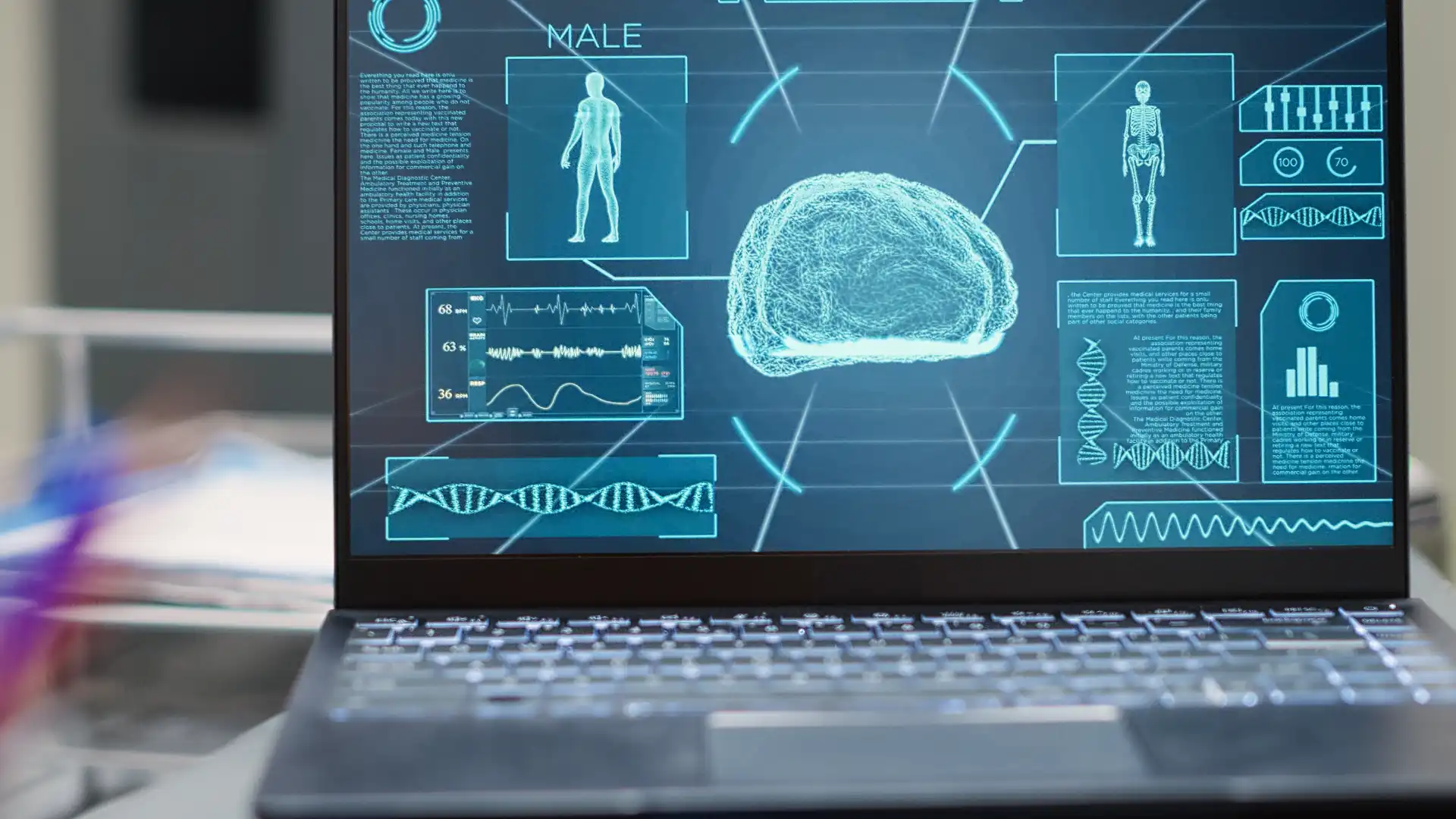
Technology continues to reshape nearly every industry — and the legal field is no exception. In 2025, AI in personal injury claims is revolutionizing how victims gather evidence, negotiate with insurers, and maximize compensation. Artificial intelligence, digital forensics, and connected devices now play crucial roles in proving fault and calculating damages after an accident.
At Accident-Attorney.net, our legal experts leverage these technologies daily to build stronger, faster, and more transparent personal injury cases for our clients. Here’s how modern tools are transforming every stage of a claim — and what you should know to protect your rights.

1. Artificial Intelligence in Evidence Review
AI-powered tools now analyze thousands of pages of accident reports, medical records, and photos in seconds — work that used to take attorneys and paralegals days or weeks. Machine learning algorithms flag inconsistencies, identify missing documentation, and even detect subtle injury patterns across medical imaging data.
For instance, accident attorneys can upload dashcam footage and AI will automatically highlight frames showing impact timing, road conditions, and possible contributing factors such as speeding or distracted driving. This automation reduces case prep time and ensures no critical evidence is overlooked.
2. Dashcams, Wearables, and Smart Devices as Witnesses
Personal injury cases increasingly rely on digital devices that record the truth in real time. Dashcams, smartwatches, and even connected vehicles provide valuable data. In many car accident cases, black-box telemetry (speed, brake timing, steering angle) can prove fault or refute exaggerated claims.
Fitness trackers and smartwatches also help verify injury impact. Heart rate spikes, step count drops, or sleep disturbances documented by wearable tech can support claims for pain and suffering. These digital “witnesses” can sometimes prove more reliable than human memory.

3. Predictive Analytics for Case Value and Settlement
Artificial intelligence doesn’t just process evidence — it helps predict outcomes. AI systems trained on thousands of verdicts and settlements can estimate claim value ranges based on factors like injury severity, liability, and jurisdiction. This gives accident victims a realistic expectation before negotiations begin.
For example, a case involving whiplash with six weeks of therapy in California may fall within a specific payout range, while a traumatic brain injury (TBI) in the same county would produce a dramatically higher projection. Predictive models help attorneys negotiate settlements with data-driven confidence, reducing the risk of undervaluing a claim.
4. Virtual Consultations and Remote Legal Access
After an accident, mobility issues or distance should never prevent victims from accessing legal help. Thanks to encrypted video calls and cloud-based document sharing, victims can now meet attorneys virtually, sign retainer agreements, and submit evidence from their phones.
This evolution ensures faster communication and allows accident victims nationwide to connect with top legal experts. At Accident-Attorney.net, our virtual consultations are secure, confidential, and available 24/7 — empowering victims to act quickly and preserve their rights.
5. AI in Medical Record Analysis
Modern cases rely heavily on detailed medical records. AI can quickly extract key information such as treatment dates, diagnostic codes, and medication logs, creating a cohesive timeline of recovery. Advanced text-mining algorithms even detect missing records or inconsistencies that might raise questions during settlement negotiations or trial.
With this level of precision, attorneys can correlate specific injuries to accident timing — critical in disputes where insurers claim “pre-existing conditions.” AI helps clarify which symptoms truly stemmed from the crash, strengthening your argument for full compensation.
6. Fraud Detection and Claim Integrity
Insurance companies increasingly use AI to detect fraudulent or inflated claims. However, that same technology benefits honest victims by filtering out bad-faith accusations. When used transparently, AI establishes credibility and accelerates settlement timelines. Digital timestamps, GPS data, and metadata on photos or documents create a verifiable chain of evidence that’s difficult to dispute.
According to the Insurance Information Institute, AI-assisted fraud detection has reduced false claim payouts by nearly 25% in the past two years — freeing adjusters and courts to focus on legitimate cases.
7. Electronic Discovery and Legal Efficiency
Law firms now use “e-discovery” software that automatically categorizes thousands of digital files — from text messages to telematics. This process ensures that relevant communications, accident photos, and witness messages are searchable and admissible in court.
For example, a text message sent moments before a crash (“On my way, traffic’s crazy”) could support a distracted driving claim. AI-driven search tools can locate and timestamp this message instantly, building a timeline of negligence that human review might miss.
8. Virtual Reality and Reconstruction Technology
Attorneys increasingly employ 3D modeling and virtual reality to reconstruct accident scenes. With the help of AI and LiDAR imaging, jurors and insurance adjusters can “walk through” a collision, viewing the impact from multiple perspectives. These visualizations communicate complex data more clearly than static reports, often leading to faster settlements or more favorable verdicts.
In high-value claims, immersive presentations can demonstrate how a spinal injury affects daily mobility or how a truck’s braking distance led to catastrophic damage. Such clarity humanizes data — turning numbers into empathy.
9. Protecting Data Privacy in the Age of AI
While technology brings new advantages, it also raises privacy concerns. Personal injury attorneys must comply with strict data protection laws like HIPAA when handling medical or digital evidence. Secure file transfers, encrypted case systems, and limited data retention are essential to ensure victims’ information remains safe.
At Accident-Attorney.net, all case data is encrypted end-to-end and never shared without client authorization. Transparency and ethics remain central to using AI responsibly in the legal field.
10. Why You Still Need an Attorney in the AI Era
Even the most advanced algorithms can’t replace human judgment. An experienced attorney knows how to interpret AI insights, frame evidence persuasively, and argue your case with empathy. While AI accelerates analysis, human advocacy ensures justice.
Technology is a powerful ally — but people win cases. Combining human expertise with artificial intelligence delivers the best results for accident victims seeking fair compensation.
Final Thoughts
In 2025, AI in personal injury claims has become more than a trend — it’s a revolution that empowers both victims and attorneys. From instant evidence review to predictive settlements, these innovations streamline justice and strengthen accountability.
If you or someone you love has been injured, don’t navigate the complex world of AI-driven claims alone. Contact an experienced accident attorney today to explore how technology can work in your favor and ensure you receive every dollar you deserve.
Continue reading related articles like Personal Injury Law Trends 2025 and Common Mistakes to Avoid When Filing an Accident Claim for more expert insights.