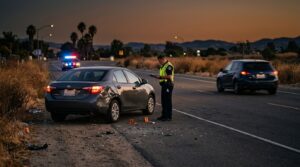
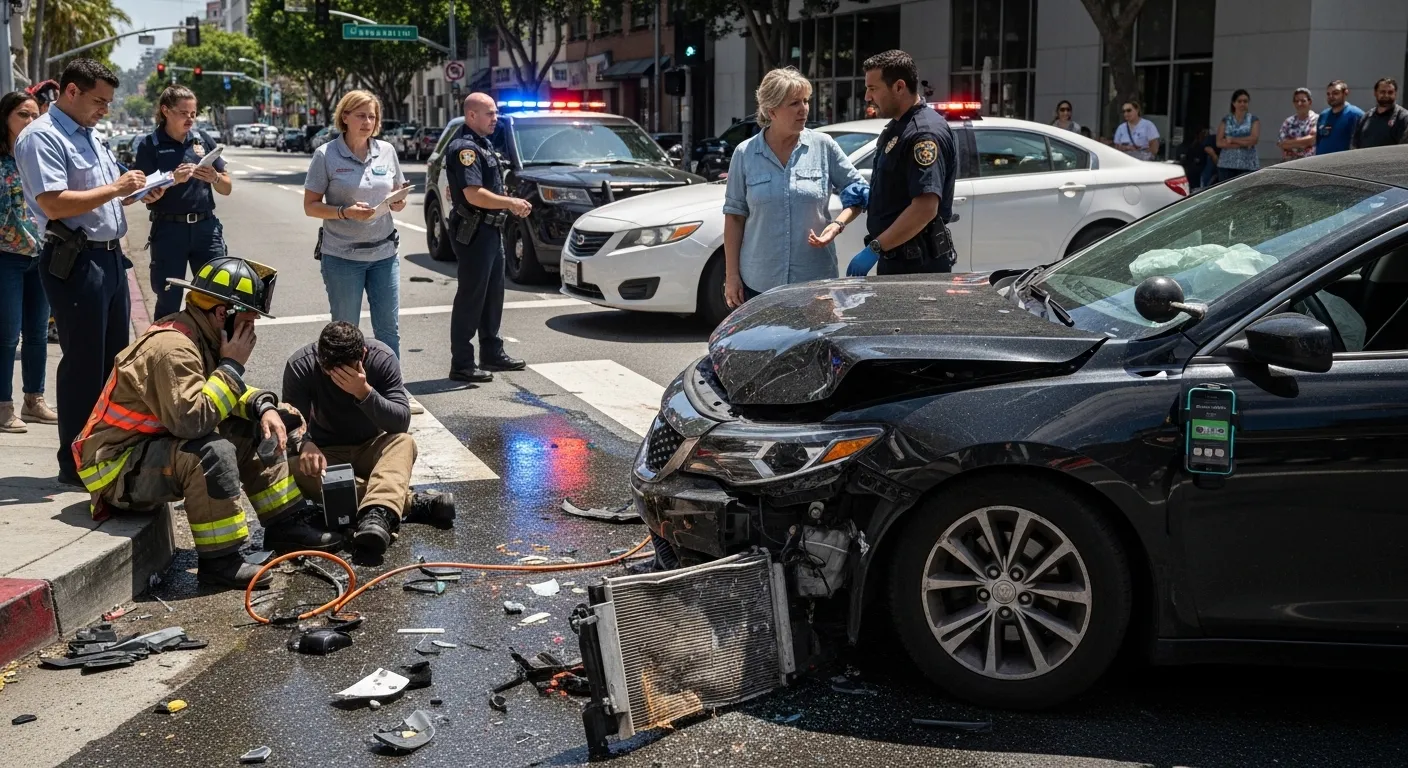
Rideshare crashes do not work like ordinary car accident claims. That is the first thing injured people need to understand. After a California Uber or Lyft crash, one practical question often drives the case: what was the driver doing in the app at the exact time of the collision? That single detail can change which insurance policy applies, how much coverage may be available, and how aggressively the insurer fights the claim. In 2026, the issue matters even more because California drivers now operate under 30/60/15 minimum liability rules, while rideshare claims still follow separate transportation network company coverage periods.
That is why California rideshare accident claims 2026 is a strong topic for your site. It fits naturally with your existing posts on hit-and-run accidents in California, driver-assist and semi-autonomous car accidents, California diminished value claims, and what to do after a car accident. It also fills a real gap in your current content because rideshare insurance is complicated enough to deserve its own dedicated guide.
Many injured people assume a rideshare crash automatically puts a million-dollar policy in play. That is not always true. Sometimes the larger commercial policy applies. In other situations, the claim falls into a lower-coverage period, triggers fights between personal and commercial carriers, or depends on digital proof showing whether the app was on, whether the driver accepted a trip, or whether a passenger had entered the vehicle. Evidence and timing matter a lot in these cases.
Why California Rideshare Accident Claims 2026 Are More Complicated Than Standard Car Crashes
A normal crash usually starts with a simpler insurance question. Who caused the collision, and which personal auto policy should pay? A rideshare crash adds another layer. Now the claim may involve the driver’s personal insurer, the rideshare company’s commercial policy, the injured person’s own uninsured or underinsured motorist coverage, and a dispute over the driver’s exact app status at the moment of impact. Even before the injury side is fully addressed, the legal issues become more technical.
Because of that added complexity, accident victims should not treat an Uber or Lyft crash like a routine fender-bender. These cases depend on records that many other claims never involve, including app logs, trip timestamps, GPS activity, pickup details, and communications between the driver and platform. When nobody identifies those records early, the insurance fight gets harder fast.
App status often decides which insurance layer matters most
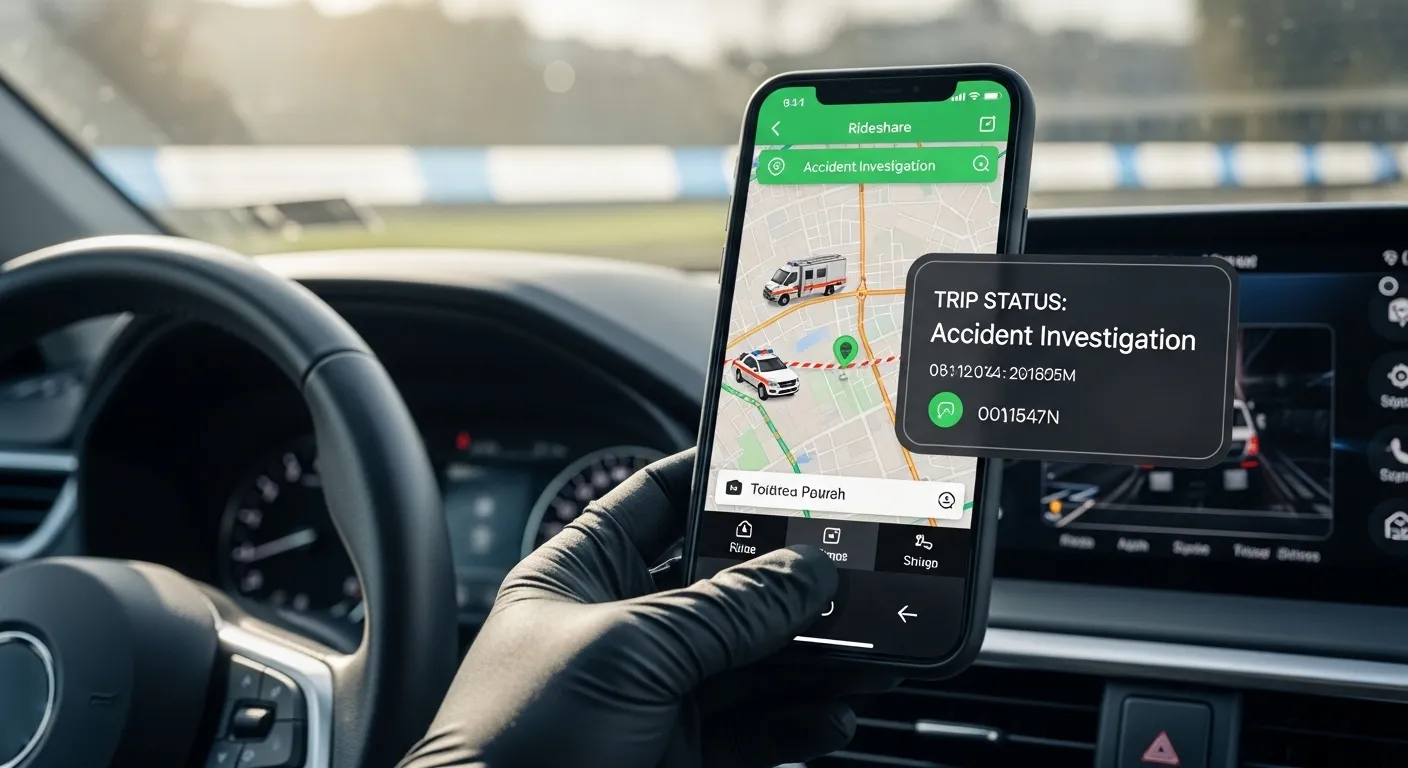
The rideshare system works in phases, and each phase can affect insurance differently. If the driver was offline, the case may look more like an ordinary car accident. When the app was on and the driver was waiting for a match, one coverage structure may apply. Once the driver had accepted a ride or had a passenger in the vehicle, another structure may take over. These distinctions are not side issues. In many cases, they shape the full value of the claim.
Why “the app was on” is not enough by itself
Many people think turning on the app settles everything. It does not. The app-on period still raises separate insurance questions. A waiting-for-a-match phase is not the same as an accepted-trip phase. When the driver had not yet accepted a passenger, the available commercial coverage may differ from what would apply once a ride was underway. Lawyers and insurers therefore focus on timestamps, ride history, and platform records instead of assumptions.
Why the million-dollar policy does not apply in every rideshare crash
California’s TNC system uses distinct periods, and the broadest commercial coverage usually applies once the driver has accepted a trip or is carrying a passenger. Many injured people misunderstand that point. They hear “Uber crash” or “Lyft crash” and assume the same insurance answer applies every time. It does not. A person hit by a rideshare driver who was merely waiting for a request may face a very different insurance situation than a passenger already inside the car.
That is one reason fast evidence preservation matters. When the app-status proof gets muddy, the defense may try to place the crash in a less favorable coverage period or argue that another insurer should handle the loss.
California’s higher general minimums still do not remove the rideshare coverage fight
California’s 30/60/15 minimum liability rules matter because they shape the broader insurance environment after a crash. Still, those higher ordinary minimums do not erase the special rideshare structure. Uber and Lyft claims still depend heavily on whether the collision happened during Period 1, Period 2, or Period 3 of TNC activity.
Why ordinary California minimums and TNC rules can overlap
The overlap creates confusion. A rideshare driver may carry a personal policy, but that policy may not fully protect the driver during TNC activity. At the same time, the TNC policy does not offer the same coverage in every phase of app use. That means the case involves more than a simple “who hit who” investigation. It often becomes a layered insurance analysis tied to digital proof.
When coverage becomes disputed, the claim can start looking a lot like your post on UM/UIM coverage after hit-and-run accidents. The legal path differs, but both topics show how modern claims turn on insurance structure and fast documentation.
What Injured People Should Prove After a California Uber or Lyft Crash
The strongest rideshare claims do not rely on assumptions. They rely on proof. That means the injured person needs more than crash photos and a medical bill. The file may also need app-status evidence, trip confirmation details, witness statements, driver communications, scene documentation, and records showing whether the rideshare company’s commercial policy applied when the crash happened. In a serious case, the gap between a weak file and a strong file often comes down to how quickly someone preserved those details.
The best evidence usually combines crash proof with platform proof
In an ordinary traffic case, photos, witness names, police reports, and medical records may carry most of the weight. A rideshare case adds another category. Platform evidence matters too. You want to know whether the driver had accepted a ride, whether the driver was on the way to a pickup, whether a passenger had entered the vehicle, and whether trip logs match the driver’s version of events.
What evidence to preserve in the first few days

Start with the basics. Get medical care and make sure someone reports the collision. Then preserve anything tied to the rideshare platform. Save screenshots of the trip, driver profile, route details, pickup time, destination information, receipts, and app messages. If you were the passenger, keep the trip confirmation and any follow-up emails. If you were another driver, a pedestrian, or a cyclist, note whether the rideshare driver admitted being on a trip or waiting for a fare. Even short statements can matter later.
You should also preserve standard crash evidence. Take photos of vehicle damage, roadway markings, traffic signals, debris, and visible injuries. Gather witness names right away. Video disappears fast. Nearby businesses, homes, parking lots, and dashcams may hold some of the best proof in the case. That practical step connects directly with your post on what to do after a car accident.
Medical records and digital behavior still shape the settlement fight
Insurance fights do not stop at fault. Once the defense sees exposure, it often shifts to injury value. For that reason, the injured person needs a clean treatment timeline, clear medical records, and disciplined communication after the crash. When someone posts casually online, delays treatment, or gives inconsistent descriptions of symptoms, the insurer will try to use those mistakes to cut the value of the claim.
Why online posts and digital records can hurt or help
Rideshare claims already involve app data and platform timestamps, so insurers may look closely at other digital evidence too. That can include public social media posts, location history, and messages about the crash. Injured people need to be careful. One careless post can create credibility problems even when the underlying claim is real. That is why this topic pairs well with how social media posts can make or break your accident claim.
In the end, California rideshare accident claims 2026 come down to three things: app status, insurance structure, and evidence speed. If you cannot show what phase the driver was in, the coverage fight gets harder. If you do not preserve trip records and scene evidence early, the insurer gets more room to dispute the claim. And if you assume every rideshare crash triggers the same policy, you may misunderstand the value of the case from the start.
For a strong outside reference, review California’s TNC insurance requirements. That page explains why Uber and Lyft crashes do not follow the same path as ordinary car accidents. Once you understand that framework, it becomes much easier to see why early records, app data, and careful claim handling can make such a big difference.