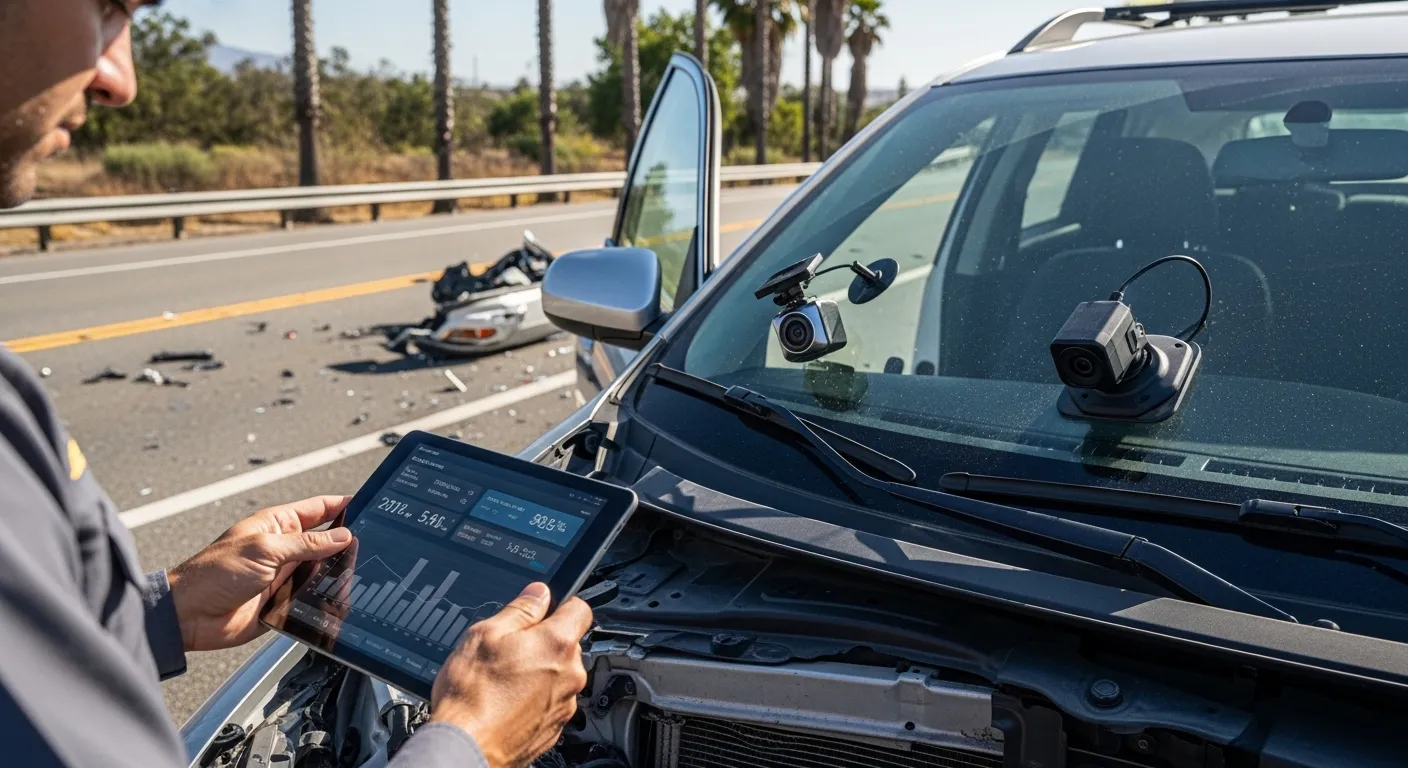
Car accident claims are no longer built only on eyewitnesses, police reports, and repair photos. In 2026, many crashes also leave a digital trail. That trail may include dashcam video, event data recorder information, phone-linked vehicle data, app-based driving records, and connected-car logs. When used well, that evidence can make fault much easier to prove. When ignored, it can leave an injured person fighting an uphill battle against a driver who changes the story later.
That is why California dashcam and black box evidence 2026 is such a strong topic right now. It fits naturally with your site’s existing content on driver-assist and semi-autonomous car accidents, hit-and-run claims and fast evidence collection, social media evidence after an accident, and technology in personal injury claims. It also fills a real content gap, because modern accident cases now turn on vehicle data more often than many injured people realize.
Most drivers still think of a “black box” as something mysterious that only matters in catastrophic crashes. That is outdated thinking. A newer vehicle may record pre-crash speed, braking, steering input, seatbelt use, and other event-related details. A dashcam may show lane position, signal color, impact timing, and what the other driver did seconds before the collision. Connected-car systems may add more context through telematics, location history, and account-based logs. None of that guarantees an easy case, but it can completely change how insurers and lawyers evaluate fault.
Why California Dashcam and Black Box Evidence 2026 Matters More Than Ever
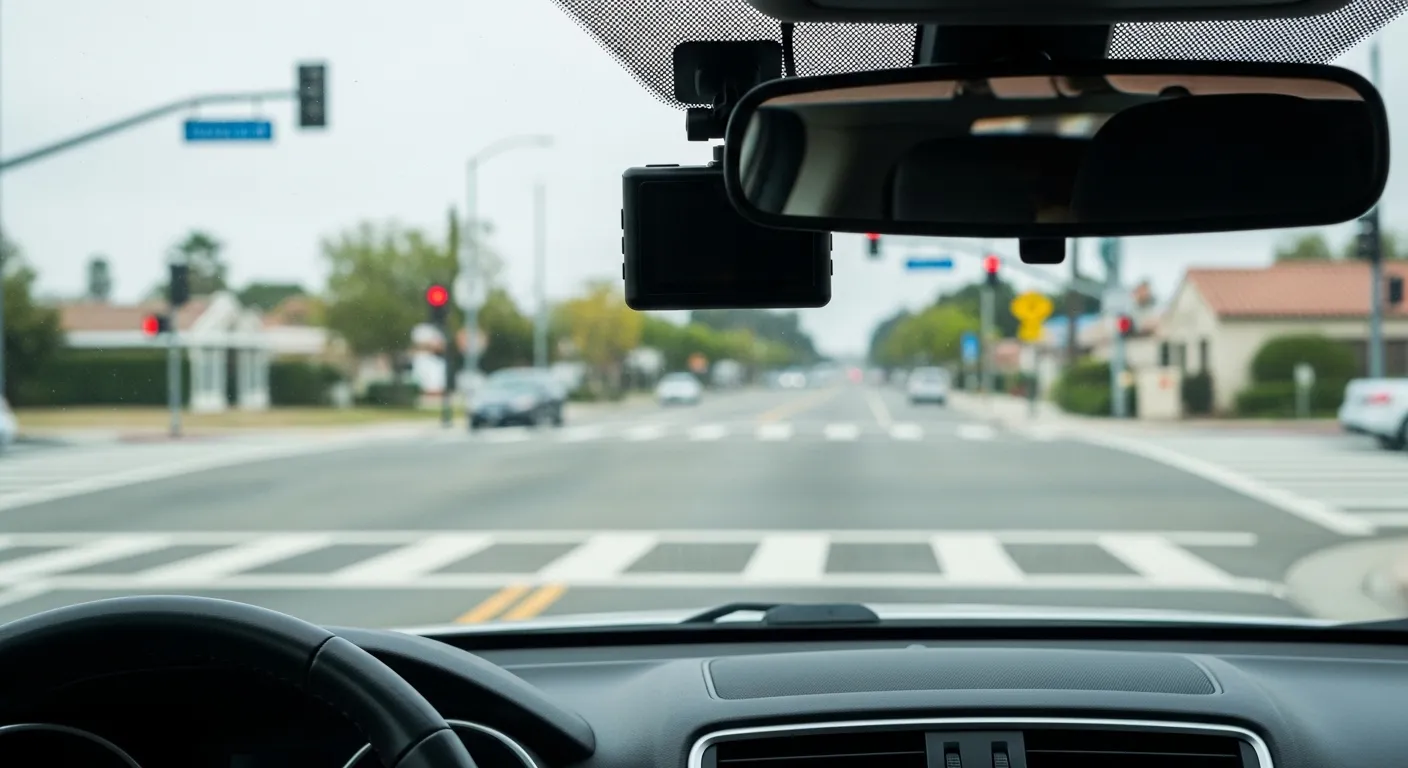
The biggest reason this topic matters is simple: people lie after crashes. Some lie a little. Some lie a lot. A driver who ran a light may later swear the signal was green. A driver who never touched the brakes may claim they tried everything to avoid impact. A rideshare driver may deny being in active service. A driver using assist technology may pretend the car “just failed” without explaining what they did or failed to do. Digital evidence helps test those stories against something more objective.
That does not mean every case comes down to one magic file. Instead, the strongest claims usually combine traditional proof with digital proof. A photo of damage matters. So does a police diagram. But if you add dashcam footage, EDR data, witness accounts, and a clean treatment timeline, the claim gets much harder to distort.
Dashcam footage can settle disputes before the insurer controls the story
Dashcam evidence often has one huge advantage: speed. If the footage is clear and preserved early, it can stop a weak defense from gaining traction. It may show the lane position, the traffic signal, the road conditions, and whether the at-fault driver drifted, failed to yield, or hit the brakes too late. In some cases, that kind of footage turns a “he said, she said” claim into something much more concrete.
California recording rules still matter when a dashcam captures audio
Drivers should not assume every recording issue is purely technical. California law treats in-vehicle recording seriously. Dashcams and video event recorders can be useful, but placement and audio issues may matter. If a device records passenger conversations, privacy and notice questions can show up fast. That is one reason these cases sometimes involve more than accident reconstruction. They can also raise evidence-admissibility and privacy arguments that affect how the claim gets built.
That point matters even more in rideshare, delivery, and work-vehicle crashes. A recorded conversation may support the claim, but it can also create a side fight if the setup did not follow California’s notice or consent rules. That does not always destroy the case, but it can complicate what would otherwise be straightforward video proof.
Footage helps most when someone preserves it immediately
A dashcam is only useful if the footage still exists. Some systems overwrite fast. Others rely on the owner to save the clip manually. After a crash, people often focus on injuries, towing, and insurance calls. That is understandable, but it also means valuable video can disappear. Anyone who thinks digital evidence may matter should save the file, back it up, and document where it came from as soon as possible.
This fits perfectly with your existing post on what to do after a car accident. The advice there already stresses quick action. Dashcam cases simply add another reason why delay can hurt a claim.
Black box and telematics data can challenge a driver’s version of events
Dashcams show what happened outside the vehicle. Event data recorders and telematics often tell a different part of the story. They may help show speed, brake application, throttle input, seatbelt use, steering activity, and sometimes timing just before impact. That can be powerful in cases where a driver insists they were cautious, slowed down, or never saw the danger until it was too late.
Owner consent, court orders, and data-access fights are real
Many injured people assume they can simply demand the black box data from the other vehicle. It does not work that way. Vehicle data often sits behind access restrictions, ownership questions, and chain-of-custody concerns. In some cases, the owner consents. In others, a court order or formal discovery process may become necessary. That is one reason lawyers often move quickly to preserve the vehicle and prevent repair, salvage, or data loss before the evidence can be downloaded properly.
These issues become even more important in serious injury crashes, commercial-vehicle collisions, and claims involving newer vehicles with advanced software features. They also overlap with your post on driver-assist and semi-autonomous car accidents, because once technology enters the story, raw vehicle data often matters more than a driver’s memory.
What Injured People Should Preserve Before Digital Evidence Disappears
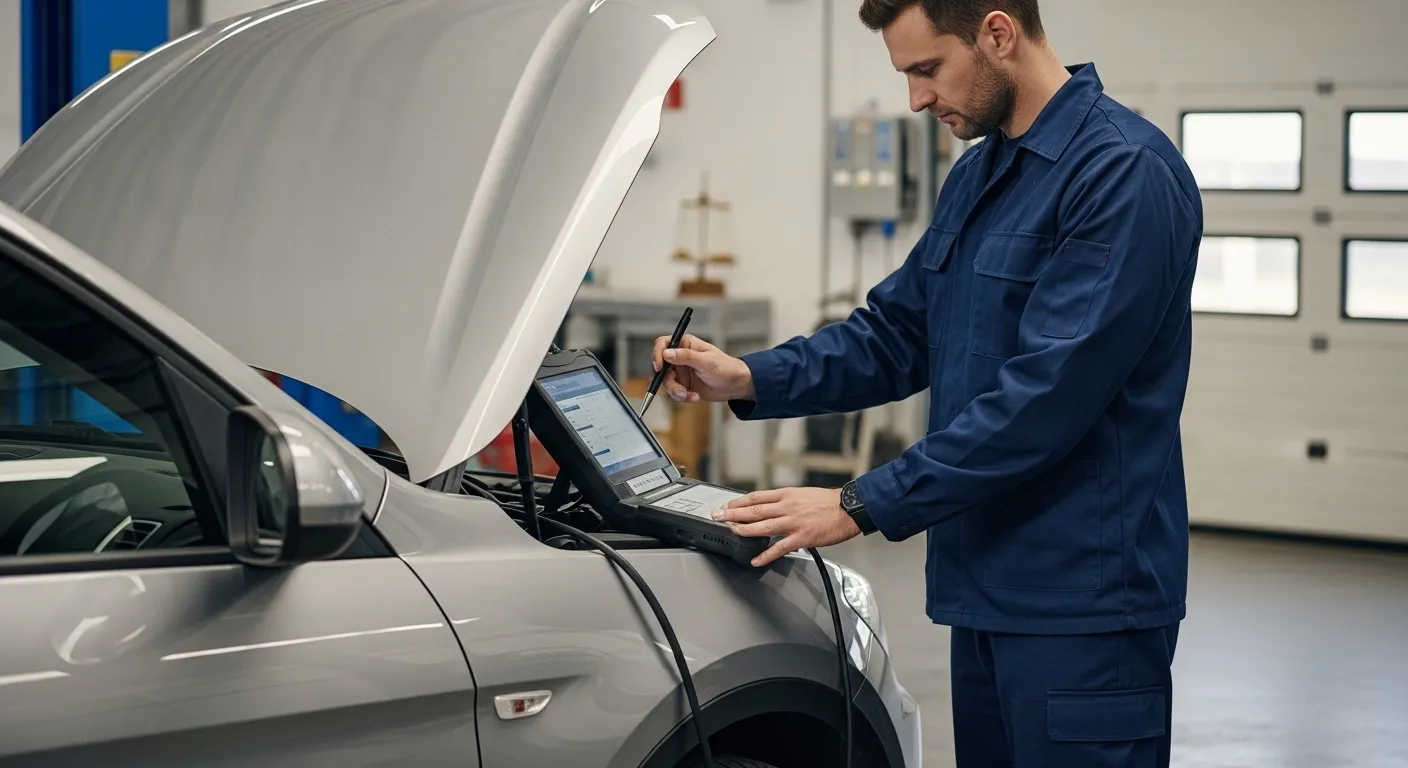
The biggest mistake accident victims make is assuming the insurer will gather and protect the right evidence for them. It will not. Insurers gather what helps them evaluate exposure. That is not the same as preserving every piece of proof that helps the injured person. If dashcam footage, EDR data, connected-app logs, or telematics history may matter, the safest move is to identify them early and treat them like important evidence from the start.
This is especially true in cases involving newer vehicles, fleet drivers, rideshare platforms, or any crash where the other side may have access to better technology than the injured person. Once a vehicle is repaired, sold, salvaged, or reset, some digital evidence may become much harder to retrieve or interpret.
Connected-car evidence can help plaintiffs, but it can also create privacy fights
Modern cars do more than record crash pulses. Some connected systems generate location logs, driver-behavior scores, remote-service data, app-linked access history, and subscription-based records. That can help show where a vehicle was, how it was driven, and what the system knew before or after impact. It can also create privacy disputes, especially when the data was collected through a feature the consumer did not fully understand.
Privacy issues should not stop fast preservation work
Privacy questions matter, but they should not become an excuse to do nothing. A lawyer can fight later over scope, consent, and admissibility. What you cannot fix later is destroyed evidence. That is why the early goal is preservation first and argument second. If the crash involves a newer vehicle, app-based service, commercial fleet, or telematics program, someone should act quickly to identify what data may exist before it disappears or gets overwritten.
This is also why the topic belongs on Accident-Attorney.net right now. Your site already talks about technology, evidence speed, and digital behavior in claims. This post extends that cluster in a way that feels current, practical, and search-friendly. It also pairs well with personal injury law trends involving AI, evidence, and damages and California diminished value claims, because both subjects depend on proving facts with more precision than older injury guides usually discuss.
In the end, California dashcam and black box evidence 2026 is not just a tech topic. It is a proof topic. The more digital systems cars use, the more important it becomes to know what those systems may have recorded and how to preserve that information before someone else shapes the story first. A strong claim still depends on medical records, scene photos, and witness statements. But in many 2026 cases, digital vehicle evidence is what turns a disputed crash into a provable one.
For a strong outside reference, the National Highway Traffic Safety Administration’s Event Data Recorder overview is a useful place to start. It helps explain why vehicle-generated crash data matters so much and why injured drivers should treat it as serious evidence, not a side issue.