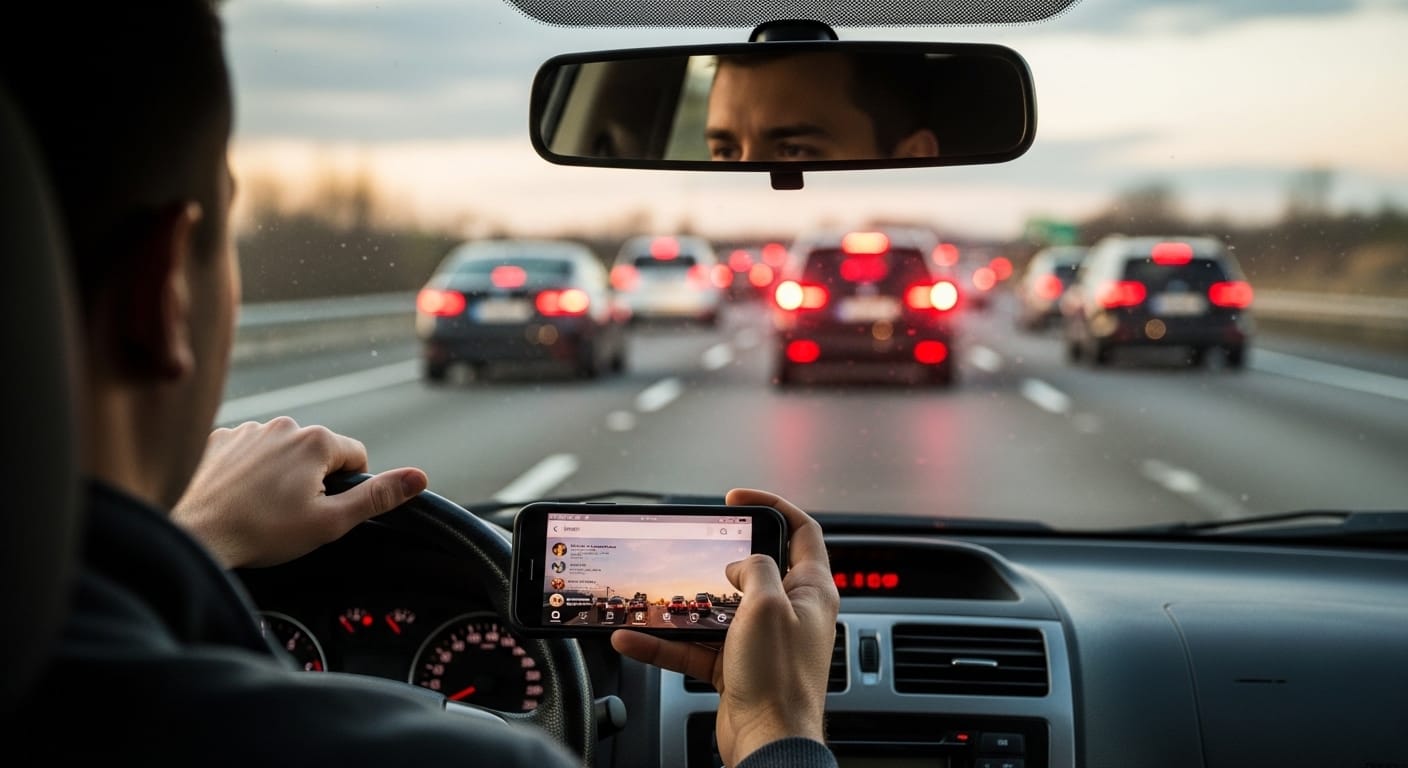
A distracted driving accident claim can be harder to prove than many victims expect. A driver may deny using a phone. A police report may not include every detail. Also, witnesses may only remember part of what happened. Because of that, digital evidence is becoming more important in 2026.
Distracted driving is not limited to texting. It can include checking maps, scrolling apps, recording videos, eating, adjusting music, or looking away from the road. However, phone use remains one of the biggest concerns in modern crash cases.
Speeding can make the problem worse. When a driver is moving fast, even a short glance away from the road can become dangerous. As a result, victims may need evidence that shows both distraction and unsafe speed.
This guide explains how phone data, dashcam footage, black box information, and telematics records may help prove fault. It is for general information only. It is not legal advice. If you were injured, speak with a qualified accident attorney about your specific case.
Why Distracted Driving Accident Claim Evidence Is Changing in 2026
In the past, many crash claims depended heavily on statements. A driver might say, “I was not on my phone.” A victim might say the opposite. Then the insurance company would compare stories, photos, and the police report.
Today, the evidence can go much deeper. Phones, apps, connected vehicles, dashcams, navigation systems, and insurance telematics may leave useful records. Therefore, a modern distracted driving accident claim may involve more digital investigation than older cases.
The Insurance Institute for Highway Safety recently reported that drivers used their cellphones more while speeding. You can review the official safety discussion from IIHS. This matters because speeding and phone distraction can create a dangerous combination.
However, the existence of digital evidence does not mean it will be easy to get. Some records may require preservation letters, subpoenas, expert review, or insurance cooperation. For that reason, victims should act quickly.
Phone use and speeding can appear together
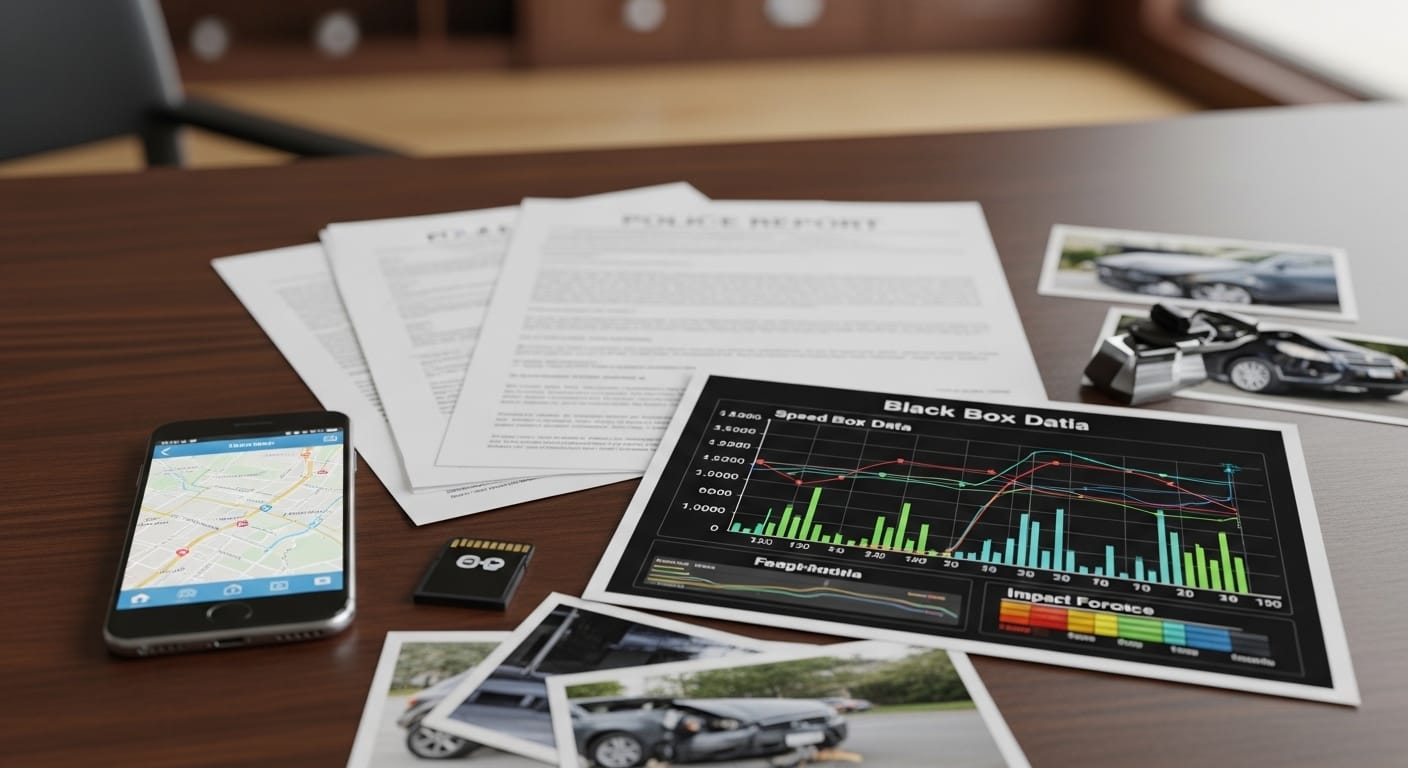
Phone distraction is dangerous at any speed. Still, it becomes especially risky at highway speeds. A driver who looks down for only a few seconds may travel a long distance without watching the road.
Speed also reduces reaction time. If traffic stops suddenly, a distracted driver may brake too late. In addition, high-speed crashes often cause more serious injuries. That can raise the value and complexity of the claim.
Insurance companies may argue about which factor caused the crash. it speeding? Was it phone use? Was it a sudden lane change? In many cases, the answer may involve more than one factor.
A police report may not show the whole story
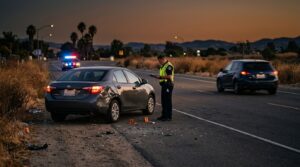
A police report is important. However, it may not include every detail. Officers usually arrive after the crash. So, they may not personally see the phone use or speeding behavior.
Sometimes a driver admits distraction. Often, they do not. Also, the report may only include visible facts, witness statements, citations, and crash location details.
That is why victims should not rely only on the report. Photos, videos, nearby cameras, vehicle data, and phone evidence may tell a fuller story.
Telematics can support or challenge fault
Telematics data can show driving behavior. Depending on the source, it may include speed, braking, acceleration, location, and phone handling patterns. Insurance apps and fleet systems may collect this type of information.
This evidence can support a claim if it shows sudden braking, high speed, or phone activity near the crash time. However, it can also be used against a victim if their own data suggests unsafe behavior.
Because of that, telematics evidence must be reviewed carefully. The data needs context. Road conditions, traffic flow, timing, and vehicle position all matter.
Common evidence after a distracted driving crash
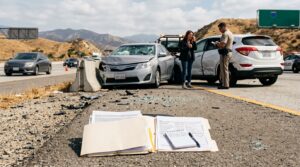
A strong claim usually starts with basic evidence. Photos of the vehicles, road, skid marks, traffic signals, lane markings, and injuries can help. Also, witness names and phone numbers can become important later.
Dashcam footage can be very powerful. It may show lane position, traffic speed, traffic lights, braking, and driver behavior. Nearby business cameras, home security cameras, traffic cameras, and rideshare cameras may also help.
Vehicle data may matter too. Event data recorders, often called black boxes, can sometimes show speed, braking, throttle use, seat belt status, and impact timing. For more detail, read California Dashcam and Black Box Evidence in 2026.
Save photos, videos, and witness details fast
Evidence can disappear quickly. Camera footage may be overwritten. Vehicles may be repaired. Phones may be replaced. Also, witnesses may forget details or become hard to reach.
After a crash, take photos if it is safe. Capture vehicle positions, damage, street signs, license plates, injuries, debris, weather, and visibility. In addition, look for cameras nearby.
If you saw the other driver holding a phone, write it down. Note what you saw, when you saw it, and where the driver was positioned. Small details may matter later.
How Victims Can Protect a Distracted Driving Accident Claim
Protecting a distracted driving accident claim starts with medical care and evidence preservation. First, get checked by a medical professional. Then document symptoms, treatment, missed work, and daily limitations.
Medical records help connect the crash to the injuries. Without clear treatment records, insurance companies may argue that the injuries are unrelated or not serious. Therefore, delays can hurt the claim.
Next, avoid giving recorded statements too quickly. An insurance adjuster may sound friendly. However, questions about speed, lane position, pain level, or phone use can be used later to reduce compensation.
What an attorney may investigate
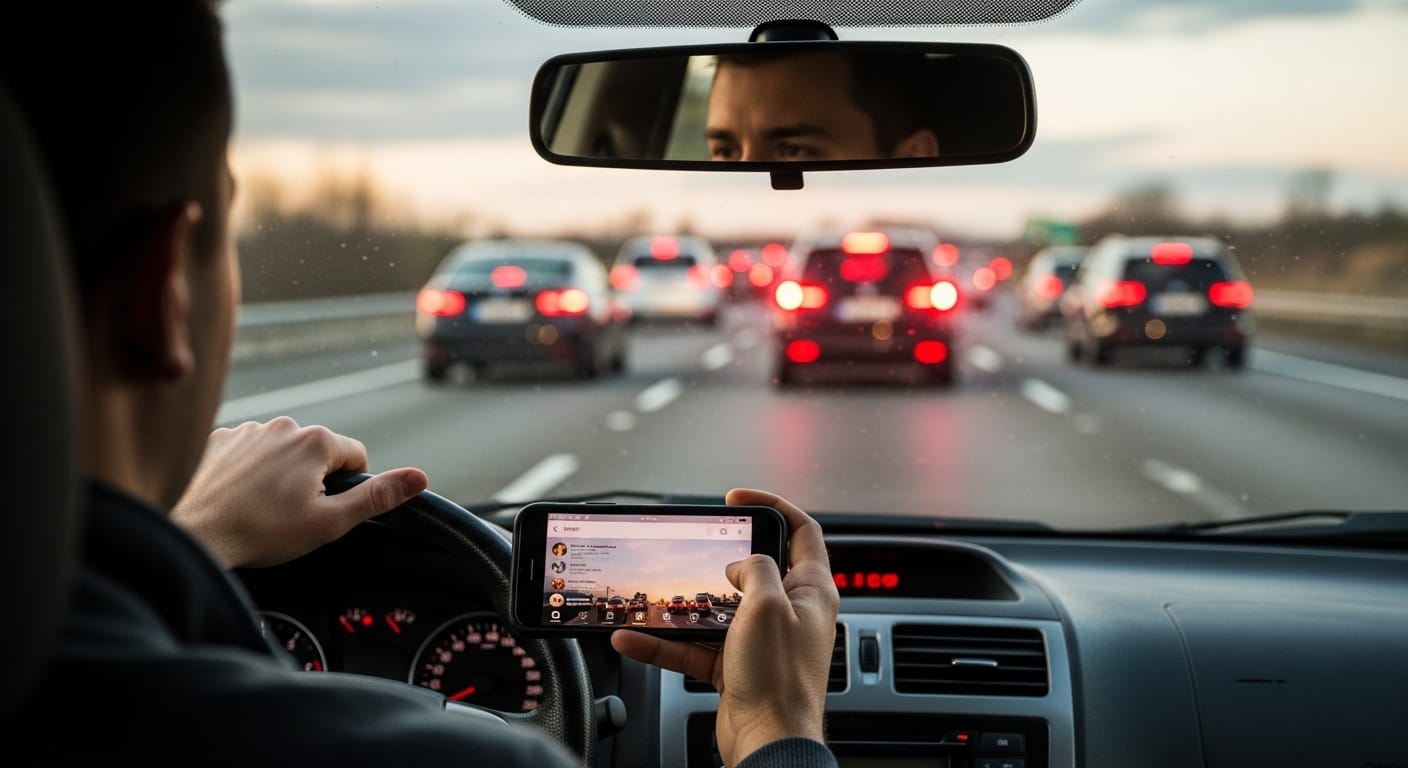
An attorney may start by reviewing the crash report, photos, medical records, insurance coverage, and vehicle damage. Then they may look for digital evidence. This can include dashcam footage, phone records, black box data, and telematics information.
In some cases, experts may be needed. Accident reconstruction experts can analyze speed, impact angles, braking, and visibility. Digital forensic experts may review phone activity or metadata when legally available.
Technology can also help organize evidence. For a broader look at this trend, read How AI and Technology Are Changing Personal Injury Claims in 2025.
Pedestrian crashes may need extra attention. If a distracted driver hit someone walking, injuries can be severe. For related information, visit Pedestrian Accidents in California.
Do not post about the crash online
Social media can damage an injury claim. A simple photo, caption, or comment may be taken out of context. Even a smiling picture can be used to question pain or emotional distress.
For that reason, avoid posting about the crash, injuries, treatment, settlement talks, or the other driver. Also, ask friends and family not to tag you in posts about the accident.
Insurance companies may look for public posts. So, stay quiet online while the claim is active.
Track damages from the beginning
Compensation may include more than vehicle repairs. It can include medical bills, lost income, therapy costs, future care, pain, suffering, and reduced daily function. However, these losses must be documented.
Keep receipts, bills, pay records, doctor notes, prescriptions, mileage logs, and photos of injuries. Also, write down how symptoms affect sleep, work, driving, chores, and family life.
For a broader damages overview, read Car Accident Compensation: How Much Can You Really Get?. If the other driver fled, also review Hit-and-Run Accidents in California.
In the end, distracted driving cases are about proof. A victim may know the other driver was careless. Still, the claim needs evidence that can survive insurance pressure.
Phone records, dashcam footage, telematics data, black box information, witness statements, and medical records can all play a role. However, timing matters. The longer you wait, the harder evidence may be to preserve.
A distracted driving accident claim in 2026 should be handled with speed and care. Get medical help. Save evidence. Avoid online mistakes. Then seek legal guidance before accepting blame or a fast settlement.