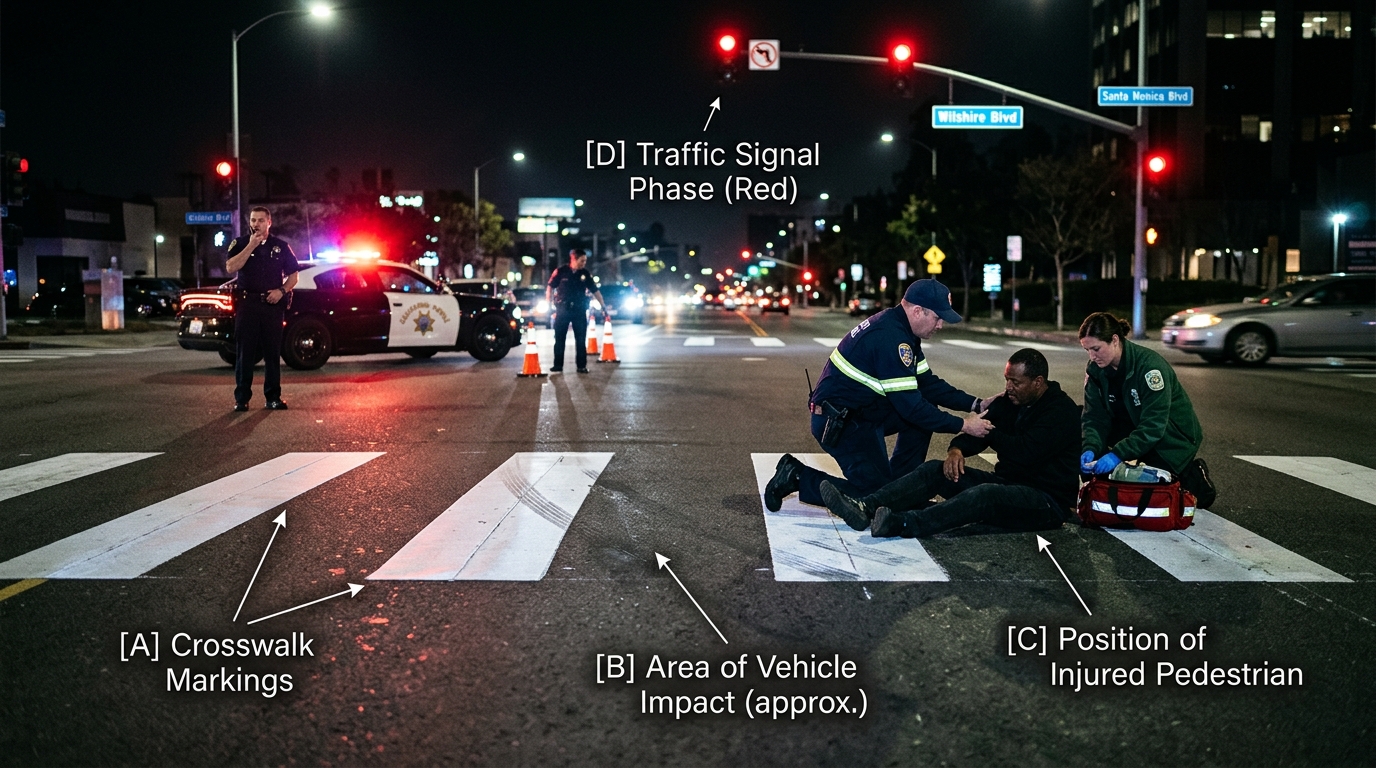
Pedestrian accident claims in 2026 need stronger evidence than ever. A few years ago, many claims depended on the police report, witness statements, photos, and medical records. Those items still matter. However, today’s strongest claims often use video footage, phone records, vehicle data, app records, and traffic signal details.
This matters because pedestrian crashes often lead to serious injuries. They also create fast disputes about fault. A driver may claim the pedestrian crossed outside the crosswalk. The pedestrian may say the driver failed to yield, drove too fast, or looked away from the road.
Insurance companies also look for ways to reduce payment. They may point to dark clothing, poor lighting, sudden movement, or a missed signal. For that reason, injured pedestrians should not depend on one version of the story. They need a clear evidence plan from the start.
Pedestrian accident claims in 2026 often move quickly. Cameras may overwrite footage. Witnesses may leave the area. Damaged vehicles may get repaired. When victims act early, they protect the facts before an insurer controls the narrative.
Why Pedestrian Accident Claims in 2026 Need Stronger Evidence
A pedestrian claim does not only ask whether a vehicle hit someone. It also asks why the crash happened. Did the driver speed through the intersection? Did they fail to yield? Was the pedestrian already inside the crosswalk? Did the signal give enough time to cross?
These details can change the value of the case. A clear video can show the driver’s actions before impact. Photos can show faded road markings, broken signals, poor lighting, or blocked views. Medical records can connect the crash to the injury timeline.
Without strong evidence, the insurance company may fill the gaps with its own version. That version usually protects the insurer, not the injured pedestrian.
Crosswalk Proof Comes First
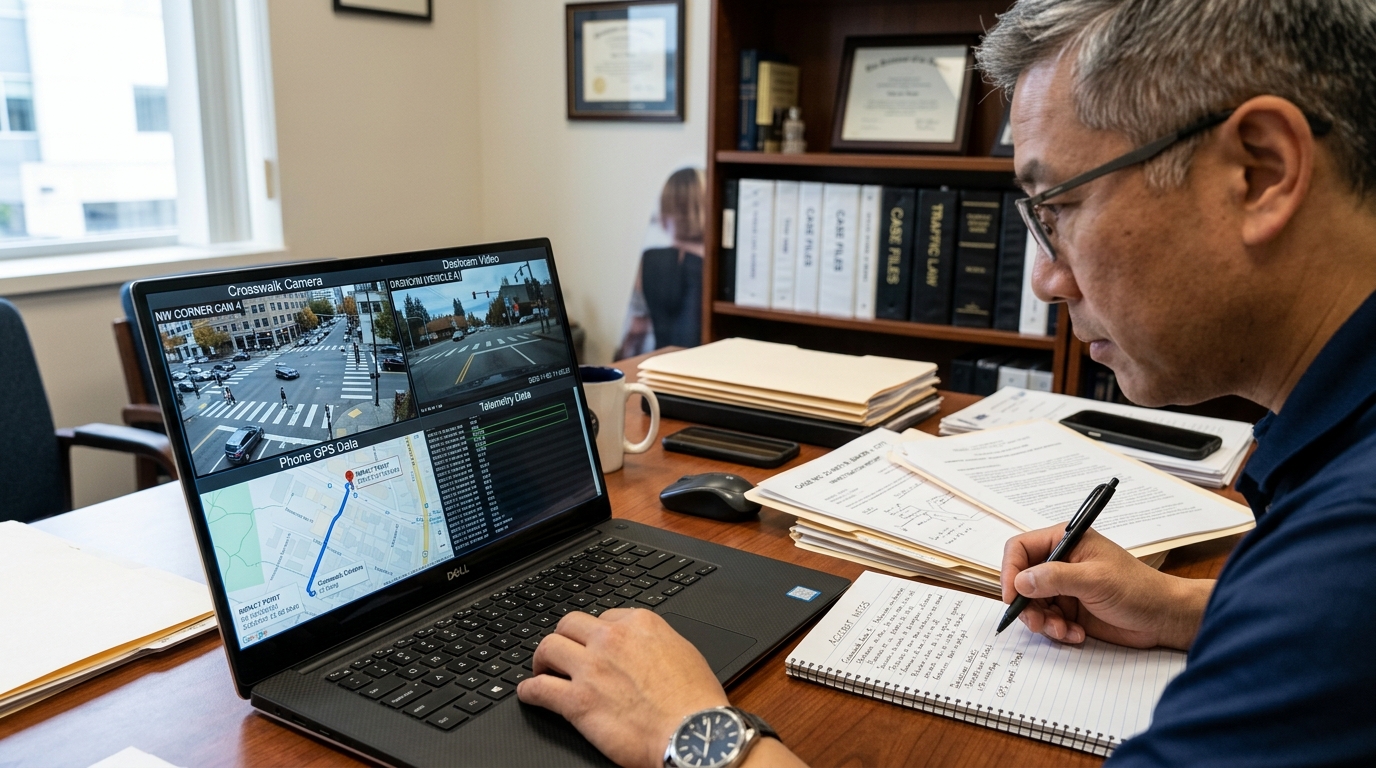
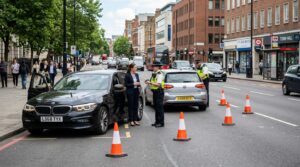
A marked crosswalk can support a pedestrian injury claim. Still, it does not end the fault debate by itself. The injured person must still show where they were, what the driver did, and how the impact happened.
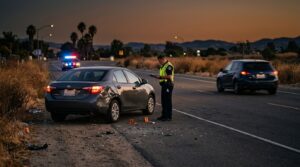
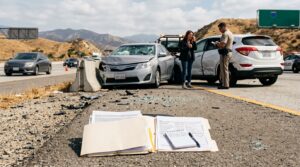
Useful evidence may include photos of the crosswalk, traffic lights, pedestrian signals, skid marks, vehicle damage, and nearby signs. The final location of the pedestrian, the vehicle, and personal items may also help explain impact direction.
Video evidence can make the claim even stronger. A nearby store camera, hotel camera, dashcam, parking lot camera, or traffic camera may show the moments before impact. That footage may prove whether the driver stopped, slowed down, turned too fast, or entered the crosswalk at the wrong time.
Preserve Nearby Video Before It Disappears
Many camera systems delete footage within days. Some erase it even sooner. That creates a serious problem for pedestrian accident claims in 2026.
Victims or family members should look for cameras near the crash scene. Gas stations, restaurants, apartment buildings, hotels, parking garages, and transit stops may have useful footage. Take photos of visible cameras when possible. Write down business names and street locations.
An attorney can also send preservation letters. These letters ask the camera owner to save footage before the system deletes it. This step can make a major difference in disputed pedestrian crashes.
Digital evidence often works together with other proof. The same idea applies to California dashcam and black box evidence in 2026, where vehicle data may help prove speed, braking, and impact timing.
Look For Phone And App Evidence
Driver distraction remains a major issue in accident claims. A driver may check a text, use a map, accept a rideshare request, or look at a delivery app. Even a few seconds of distraction can cause a serious pedestrian crash.
Phone records, app logs, dashcam footage, and witness statements may reveal distraction. A driver’s own words may also matter. For example, “I never saw them” can support an argument that the driver failed to keep a proper lookout.
Victims should avoid guessing about phone use. Instead, they should document what they saw and heard. If the driver held a phone after the crash, changed their story, or admitted they looked away, that detail may help the claim.
For more related guidance, see distracted driving accident claim evidence in 2026.
Night Pedestrian Crashes Create Extra Disputes
Night crashes often create harder fault arguments. A driver may say they could not see the pedestrian. The pedestrian may argue that the driver ignored the crosswalk, drove too fast, or failed to use reasonable care.
Lighting conditions can become a key issue. Streetlights, headlights, shadows, rain, glare, parked vehicles, and construction barriers may all affect visibility. The crash location also matters. Intersections, bus stops, school zones, and entertainment districts may create higher pedestrian traffic.
Photos taken only during the day may not show the real danger. The scene may look clear in sunlight but unsafe at night. When possible, victims should document the same location at the same time of day as the crash.
Photograph The Scene From Several Angles
Scene photos should show more than vehicle damage. A strong claim may need wide shots and close-up photos. Take pictures from the pedestrian’s view, the driver’s view, and the curb area.
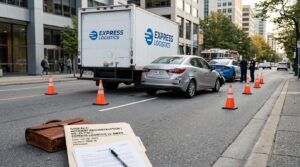
Important details include the crosswalk, stop line, traffic signal, pedestrian signal, lane markings, streetlights, signs, and nearby obstructions. Damaged shoes, glasses, phones, bags, or clothing may also support the injury claim.
If the driver fled the scene, the victim should move fast. Hit-and-run cases need quick police reporting, video searches, witness information, and insurance review. More details are available in this guide on hit-and-run accidents and UM/UIM coverage in 2026.
How Fault And Compensation Are Evaluated After A Pedestrian Crash
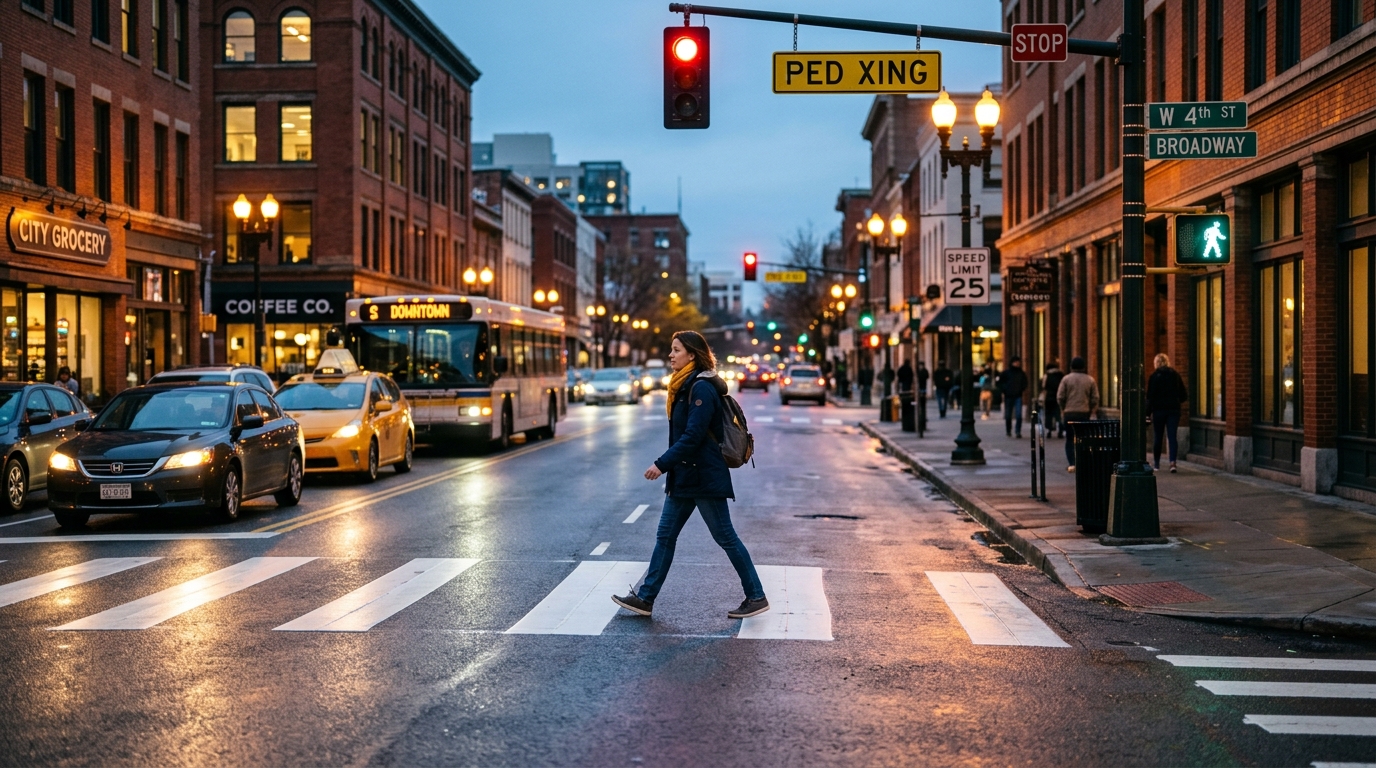
Compensation depends on two main issues: fault and damages. Fault focuses on who caused the crash. Damages focus on what the crash cost the injured person.
A strong case needs both. Clear fault may not lead to fair payment if the medical records are weak. Serious injuries may also face problems if the evidence does not clearly show driver negligence.
The best claims connect the driver’s conduct to the victim’s losses. They use a timeline that starts before impact and continues through medical treatment, lost income, and recovery.
Shared Fault, Medical Proof, And Claim Value
Insurance companies often raise shared fault in pedestrian claims. They may argue that the pedestrian crossed too late, walked outside the crosswalk, looked at a phone, or entered traffic suddenly.
These arguments can reduce claim value. However, they do not always destroy the case. The response should focus on facts, not emotion.
If the pedestrian had the walk signal, video may prove it. If the driver was speeding, vehicle data or crash reconstruction may help. When poor lighting or unsafe road design played a role, photos and expert review may support the claim.
Recorded statements also require caution. Insurance adjusters may ask questions that make uncertainty sound like fault. A simple phrase such as “I did not see the car until the last second” may hurt the claim when taken out of context.
Build A Clear Medical And Financial Record
Medical records can make or break the damages side of the case. Pedestrian injuries may include broken bones, head trauma, back injuries, knee injuries, shoulder injuries, internal injuries, scarring, and emotional distress.
Victims should seek medical care right away. They should also follow treatment plans, attend follow-up visits, and keep copies of medical bills. Physical therapy notes, imaging results, work restrictions, and prescription records may all help prove the injury timeline.
Financial losses need clear proof too. Save pay stubs, missed work records, repair costs, transportation receipts, and out-of-pocket expenses. A pain journal can also help explain daily limits, sleep problems, mobility issues, and long-term discomfort.
For general pedestrian safety information, readers can review resources from the National Highway Traffic Safety Administration. Safety guidance does not replace legal advice, but it helps explain why speed, visibility, yielding, and attention matter in pedestrian crashes.
Pedestrian accident claims in 2026 reward early action. The strongest claims use video, photos, medical proof, witness statements, signal details, and a clear timeline. Injured pedestrians should protect evidence quickly and avoid giving insurers room to rewrite the facts.
A pedestrian crash is not just a traffic event. It can affect health, work, mobility, confidence, and daily life. A careful claim strategy helps make sure the final demand reflects the full harm, not just the first version written in an insurance file.