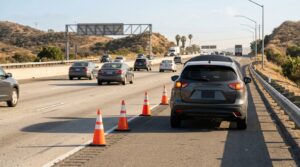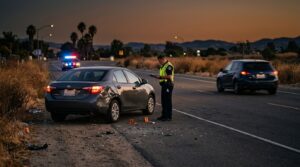
A California ghost plate accident claim can become a serious evidence problem after a crash. “Ghost plate” is a common way people describe vehicles with license plates that are hidden, altered, tinted, covered, unreadable, fake, flipped, or designed to avoid camera detection. When a vehicle like that causes an accident and leaves the scene, the injured person may not have the one detail that usually helps identify the driver: a readable plate number.
This issue matters more in 2026 because California has increased attention on products and devices that interfere with license plate reading. The state’s goal is clear: license plates must be visible enough for people, law enforcement, toll systems, and electronic readers to identify vehicles. When a driver uses a cover, tint, frame, flipper, or other device to avoid detection, that conduct can make accident investigations harder and can delay an injured person’s ability to recover compensation.
For accident victims, the legal question is not only whether the other driver broke a license plate rule. The bigger question is how to prove what happened when the plate cannot be read. That may require dashcam video, business surveillance, traffic camera footage, witness statements, vehicle debris, paint transfer, body damage, route tracking, and uninsured motorist coverage.
This article is for educational purposes only and is not legal advice. Every claim depends on the crash facts, injuries, available insurance, policy language, and deadlines.
Why Ghost Plates Can Make Accident Claims Harder
Most accident investigations start with basic identifying information. The driver’s name, insurance, license plate, vehicle registration, and police report help move the claim forward. When the at-fault vehicle has an unreadable plate or leaves before anyone can identify it, the case becomes much more difficult. The victim may know what happened but still lack the proof needed to connect the crash to a specific driver, vehicle, or insurance policy.
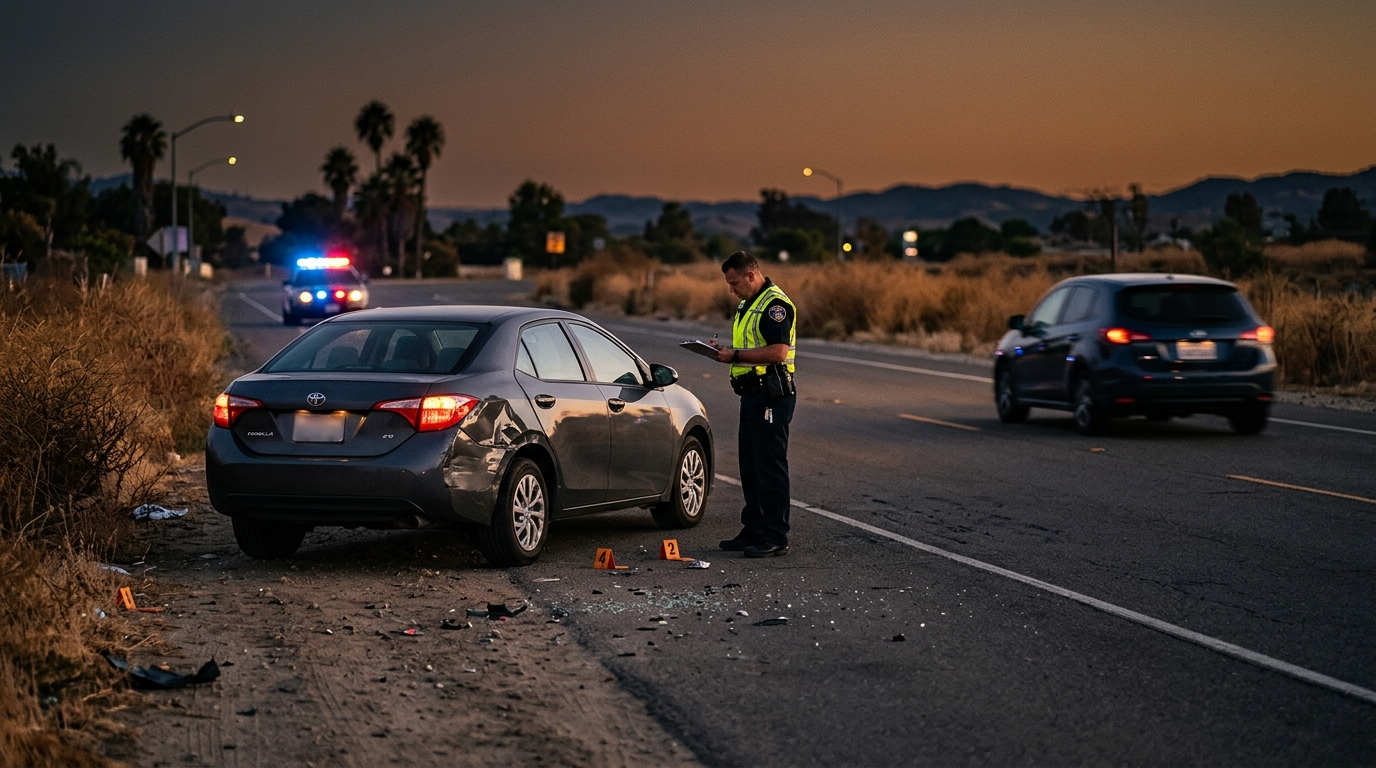
That problem is especially serious in hit-and-run cases. If a witness only sees a dark plate cover, a missing plate, a folded plate, a tinted shield, or a partial number, the driver may be harder to locate. Even when cameras are nearby, the footage may not help if the plate was intentionally obscured or distorted.
California’s DMV explains that license plates help identify the type of registration and provide a way to locate the vehicle owner through DMV records. That is why an obscured plate is not just a traffic issue. After a serious crash, it can directly affect accountability.
Obscured plates can weaken the first version of the claim
Insurance companies often look for uncertainty. If the other driver cannot be identified, the insurer may question whether there was actual contact, whether the victim remembered the facts correctly, or whether another cause explains the damage. That does not mean the victim has no claim. It means the claim needs stronger supporting evidence.
Your existing article on Hit-and-Run Accidents in California fits naturally here because ghost plate crashes often become hit-and-run evidence cases. The same basic rule applies: the faster the injured person preserves proof, the better the chance of protecting the claim.
Look for camera angles beyond the plate itself
A plate number is helpful, but it is not the only useful detail. A camera may capture the vehicle’s make, model, color, body style, bumper damage, missing mirror, aftermarket lights, decals, roof rack, wheel design, or direction of travel. It may also show the driver’s route before or after impact.
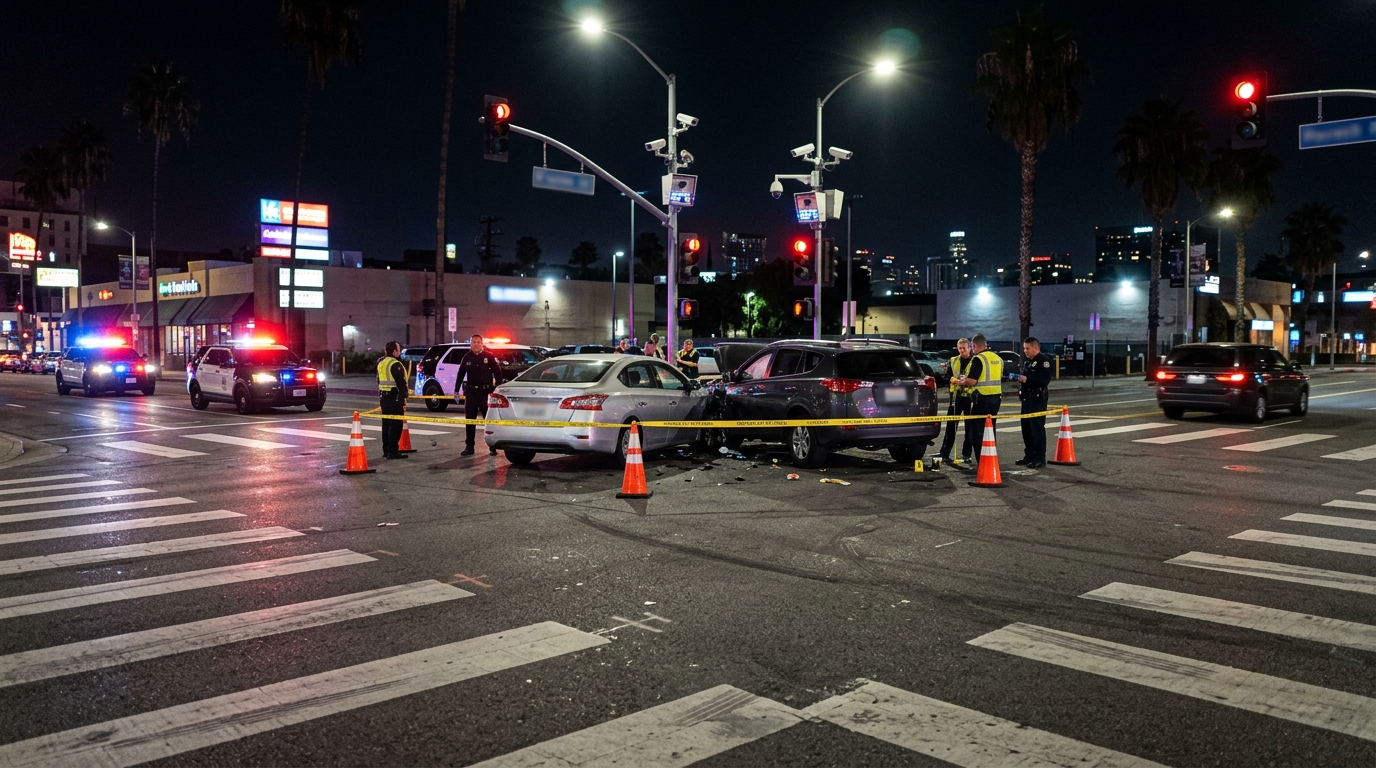
Victims should think beyond the crash location. Nearby gas stations, restaurants, apartment buildings, parking lots, toll areas, intersections, warehouses, homes, and rideshare pickup zones may have cameras. A business camera one block away may capture the fleeing vehicle more clearly than a camera at the exact crash scene.
Preserve vehicle debris, paint transfer, and damage photos
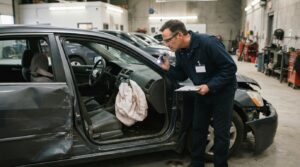
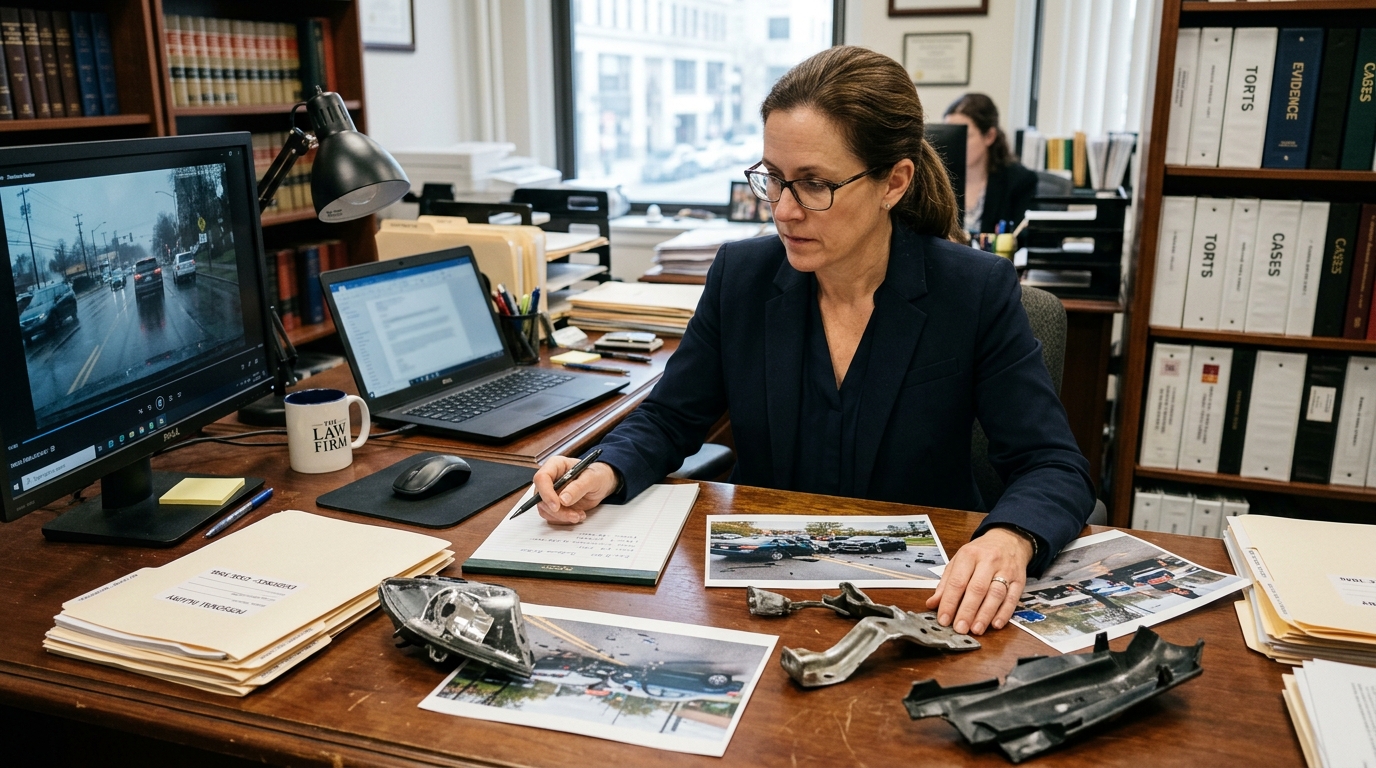
When the plate cannot identify the vehicle, physical evidence becomes more important. Broken plastic, mirror pieces, light fragments, paint transfer, tire marks, and impact patterns can help narrow the type of vehicle involved. Photos should be taken before the victim’s car is repaired, cleaned, sold, or moved to salvage.
This also connects to your post on California Dashcam and Black Box Evidence in 2026. Modern accident claims are increasingly built from several pieces of proof, not just a police report. Video, vehicle data, damage patterns, and witness accounts can work together to support the claim.
Camera evidence matters, but it can disappear fast
Ghost plate accident claims are time-sensitive because most video systems do not save footage forever. Some overwrite within days. Some overwrite sooner. Others require the owner to manually save a clip. Waiting too long can leave the victim with no footage, no plate, and no way to challenge the other side’s version of events.
If the crash happened near a speed camera, red light camera, toll facility, parking garage, business entrance, or public transit corridor, camera evidence may be especially important. However, victims should not assume that public camera footage will automatically be collected for them. Police may investigate, but civil injury claims often need separate preservation efforts.
Report even a partial plate or unusual vehicle detail
A partial plate can still matter. Two or three characters, the issuing state, the color of the plate, or the presence of a special frame may help narrow the search. Details that seem minor can become useful when combined with camera footage, witness statements, and repair evidence.
Write down everything as soon as possible: vehicle color, size, direction of travel, lane position, sound, visible damage, tinted cover, plate frame, missing front plate, temporary tag, or anything unusual. Memory fades quickly after a stressful crash. A written note made soon after the collision can help preserve details before they blur together.
How Injured People Can Protect a Ghost Plate Accident Claim
The first priority after any crash is safety and medical care. Call 911 when needed, move to a safe location if possible, and get medical attention. After that, the evidence work begins. A ghost plate claim should be handled like a time-sensitive investigation because the missing plate information creates a gap that must be filled with other proof.
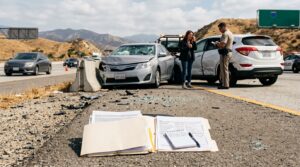
Take photos of the scene, vehicle damage, debris, traffic signs, lane markings, skid marks, lighting, and nearby cameras. Get names and contact details for witnesses. Ask nearby businesses whether they have footage, but avoid arguing with anyone who refuses to release it. The important step is identifying where footage may exist so it can be requested or preserved properly.
For an outside authority, the California DMV’s 2026 new laws update explains the state’s current focus on license plate obstruction and alteration. You can review it here: California DMV Highlights New Laws in 2026.
UM/UIM coverage may become the recovery path
If the ghost plate driver is never found, uninsured motorist coverage may become one of the most important parts of the claim. Many people think uninsured motorist coverage only applies when the other driver is known but has no insurance. Depending on the policy and facts, it may also matter when a hit-and-run driver cannot be identified.
Underinsured motorist coverage may matter if the driver is later found but does not have enough coverage for the injuries caused. This is especially important after serious crashes involving surgery, fractures, head trauma, spinal injuries, lost income, or long-term treatment.
Do not assume no readable plate means no case
A missing or obscured plate makes the case harder, but it does not automatically end the claim. A strong claim may still be built through fast reporting, medical documentation, witness statements, scene photos, surveillance footage, dashcam video, vehicle debris, and insurance review.
For related reading, see California Speed Camera Accident Claims in 2026 and Pedestrian Accident Claims in 2026. Both topics show the same trend: modern accident claims are becoming more dependent on fast evidence collection and objective proof.
A California ghost plate accident claim in 2026 is really a proof problem. The driver may have tried to avoid identification, but that does not mean the injured person is powerless. The key is to move quickly, document everything, search for video beyond the crash scene, preserve physical evidence, and review insurance options before evidence disappears.
If you were injured by a driver with an obscured, unreadable, or missing plate, treat the case seriously from day one. Get medical care, report the crash, save every detail you remember, and do not wait for the missing driver to solve the case for you.