
Staged accident allegations in 2026 can turn a normal injury claim into a stressful fight. After a crash, most victims expect the insurance company to review fault, injuries, repairs, and medical bills. However, some claims face a different problem. The insurer may suspect fraud, question the crash story, or argue that the collision looks planned.
That accusation can feel insulting when the crash was real. A victim may have pain, medical bills, missed work, and a damaged vehicle. Still, the insurance company may delay payment, request more records, or investigate every detail. This makes early evidence very important.
Not every disputed claim involves fraud. Some crashes simply look unusual at first. A low-speed impact can still cause real injuries. A driver may brake suddenly for a valid reason. Several passengers may need medical care after the same collision. These facts can trigger questions, but they do not automatically prove wrongdoing.
The key is preparation. Honest victims should build a clear file from the beginning. A strong claim explains what happened, supports the injury timeline, and answers suspicion with facts.
Why Staged Accident Allegations in 2026 Are Getting More Attention
Insurance companies now use more tools to review accident claims. Adjusters may check claim history, vehicle damage patterns, medical billing, prior accidents, social media posts, dashcam footage, and repair records. Some companies also use data analysis to flag claims that look unusual.
This trend can help expose real fraud. It can also create problems for honest victims. A claim may get flagged because the crash happened in a known fraud area, involved multiple passengers, had delayed treatment, or included damage that the insurer questions.
Once a claim receives extra review, the process can slow down. The insurer may ask for recorded statements, prior medical records, phone records, repair details, or proof of lost income. Victims should take these requests seriously, but they should not guess or exaggerate.
Common Reasons An Insurer May Question A Claim
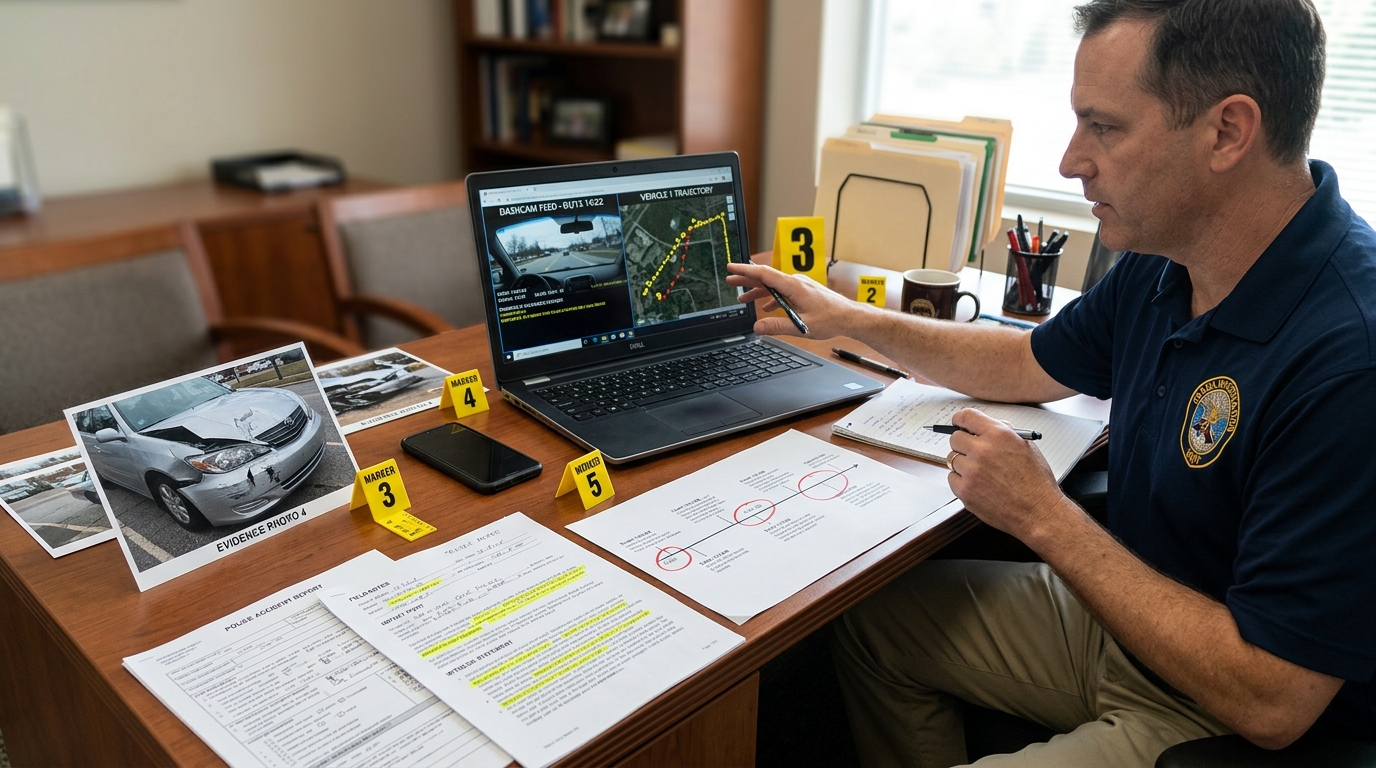
An insurer may raise staged accident allegations in 2026 when the facts seem inconsistent. For example, the vehicle damage may look minor compared with the claimed injuries. Witness statements may conflict. The police report may lack detail. A passenger may start treatment late. The driver may have prior claims.
These issues do not prove fraud. They only show why the insurer wants more information. A good response should focus on clean documentation. Victims need photos, medical records, repair estimates, witness names, and a simple timeline.
Fraud investigators often look for patterns. They may review whether the crash involved sudden braking, unnecessary lane changes, questionable witnesses, or suspicious repair referrals. The National Insurance Crime Bureau lists staged auto accident fraud as a known consumer risk. That makes documentation even more important when a real victim gets pulled into suspicion.
Do Not Let Confusion Become An Admission
Many crash victims feel shaken after an accident. They may forget exact speeds, distances, or timing. That is normal. The problem starts when victims guess during a recorded statement.
If you do not know an answer, say so. Do not estimate distances if you are unsure. Avoid saying the crash was “minor” if you have not reviewed the vehicle damage or medical findings. Simple words can harm the claim when an adjuster takes them out of context.
It is better to give accurate facts than fast answers. A careful statement protects your credibility. It also helps prevent the insurer from turning honest uncertainty into a fraud argument.
Preserve The Evidence Before It Disappears
Evidence can vanish quickly after a crash. Nearby cameras may overwrite footage within days. Vehicles may get repaired. Skid marks fade. Witnesses leave the area and become hard to contact.
Victims should take wide photos of the crash scene, vehicle positions, traffic signs, lane markings, and visible cameras. They should also take close-up photos of vehicle damage, airbags, personal injuries, and broken items inside the car.
Digital evidence may also help. Dashcam footage, GPS history, phone location data, rideshare app records, and vehicle event data can support the timeline. This connects directly with California dashcam and black box evidence in 2026, which explains how modern vehicle data can help prove fault.
How Honest Victims Can Protect A Real Injury Claim
When an insurer questions a claim, the victim needs more than anger. They need organized proof. The goal is to show that the crash happened, the injuries came from the crash, and the losses are real.
Start with medical care. Delayed treatment gives insurers room to argue that the injuries came from something else. Prompt treatment creates a clear record. Follow-up visits also matter because they show how symptoms developed over time.
Next, keep every document. Save the police report, claim number, repair estimate, medical bills, work notes, prescription records, and messages from adjusters. A clean file helps your attorney answer questions quickly.
Medical Records Should Match The Injury Story
Medical records play a major role in staged accident allegations in 2026. If the treatment timeline looks unclear, the insurer may argue that the injuries are exaggerated or unrelated.
Victims should explain symptoms clearly at every appointment. Mention pain location, movement limits, headaches, sleep problems, numbness, weakness, and daily activity issues. Do not minimize symptoms just to sound tough. Also, do not add injuries that you cannot support.
Consistency matters. If your neck, back, shoulder, or knee hurt after the crash, the records should show that early. Imaging results, therapy notes, work restrictions, and specialist referrals may all support the claim.
Watch Out For Questionable Referrals
Some staged accident schemes involve suspicious medical or repair referrals. Honest victims should stay careful. Avoid anyone who pressures you to use a specific clinic, body shop, tow company, or “claim helper” without a clear reason.
Choose licensed medical providers and reputable repair shops. Keep copies of every bill and report. If a tow company, repair shop, or clinic acts aggressively, document what happened. California officials have warned drivers about accident-related scams, including schemes that target crash victims after the collision.
For broader fraud information, readers can review the California Department of Insurance Automobile Insurance Fraud Program. It explains how state investigators handle staged collision rings, fraudulent claims, and organized auto insurance fraud.
Fault Evidence Can Beat Suspicion
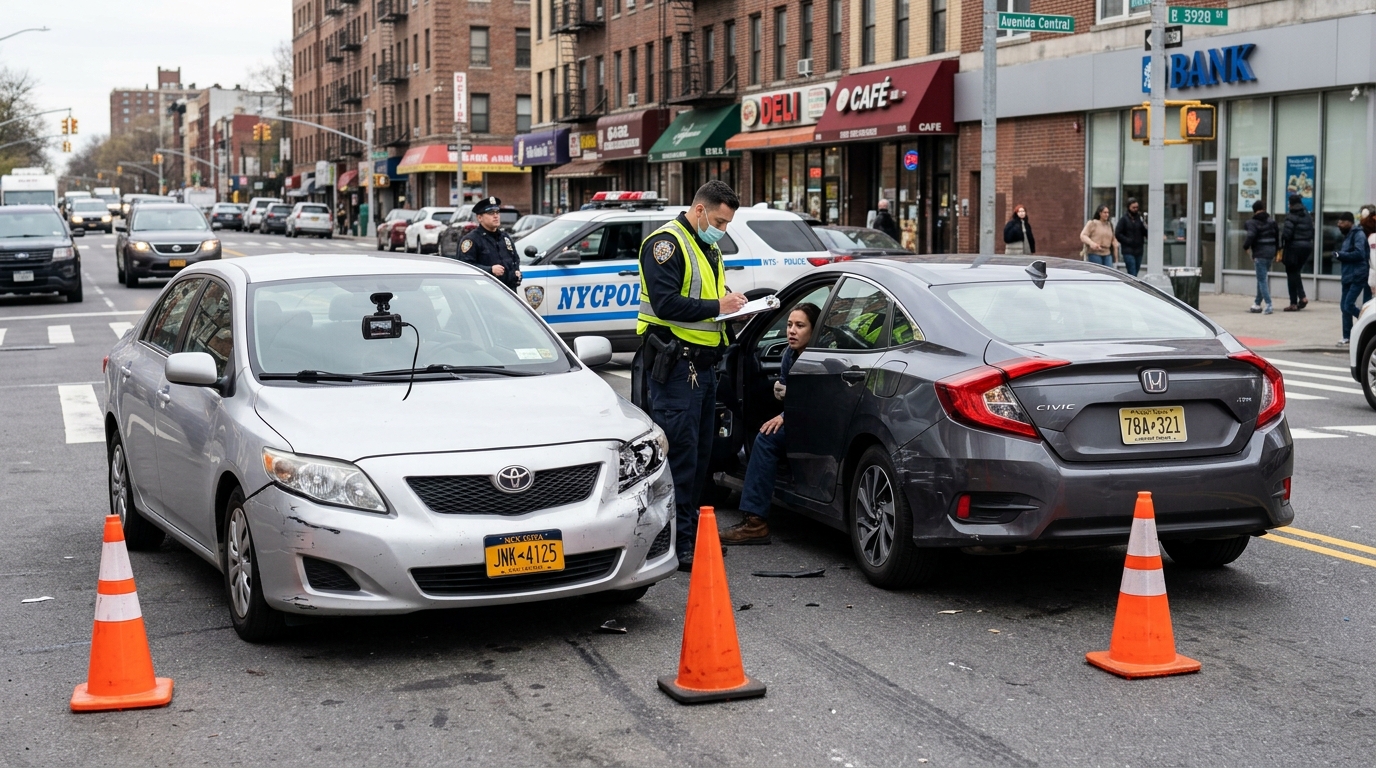
Strong fault evidence can shift the claim away from suspicion and back to the real issue: who caused the crash. Police reports, photos, witness statements, dashcam footage, and vehicle data can show how the collision happened.
If the other driver was speeding, automated enforcement records or vehicle data may help. You can learn more in California speed camera accident claims in 2026. If phone use played a role, review distracted driving accident claim evidence in 2026.
Hit-and-run claims also need fast evidence collection. A fleeing driver may create suspicion because the story lacks the other side’s statement. In that situation, video, witness names, police records, and insurance coverage matter even more. This guide on hit-and-run accidents in California explains how quick action can protect a claim.
Property damage may also support the case. Repair invoices, frame inspections, photos, and diminished value records can show the real force and financial impact of the crash. For property-loss issues, see California diminished value claims after a car accident in 2026.
Build A Timeline Before The Insurer Builds One For You
A clear timeline helps defeat staged accident allegations in 2026. Write down where you were going, what lane you used, what you saw, when impact happened, who arrived, and when you sought medical care.
Add dates for doctor visits, repair inspections, insurance calls, missed work, and follow-up treatment. Keep the timeline simple. It should help explain the claim, not create confusion.
Do not post details about the crash on social media. Insurers may review public posts and compare them with your claim. A photo, joke, check-in, or casual comment may create problems even when you did nothing wrong.
Staged accident allegations can damage a real claim if the victim stays passive. The better response is organized action. Get medical care, preserve evidence, avoid guessing, use reputable providers, and keep a full record of every loss.
Honest victims should not panic because an insurer asks hard questions. They should treat those questions as a warning that the claim needs stronger proof. With the right evidence, a real injury claim can move past suspicion and focus on the compensation the victim deserves.