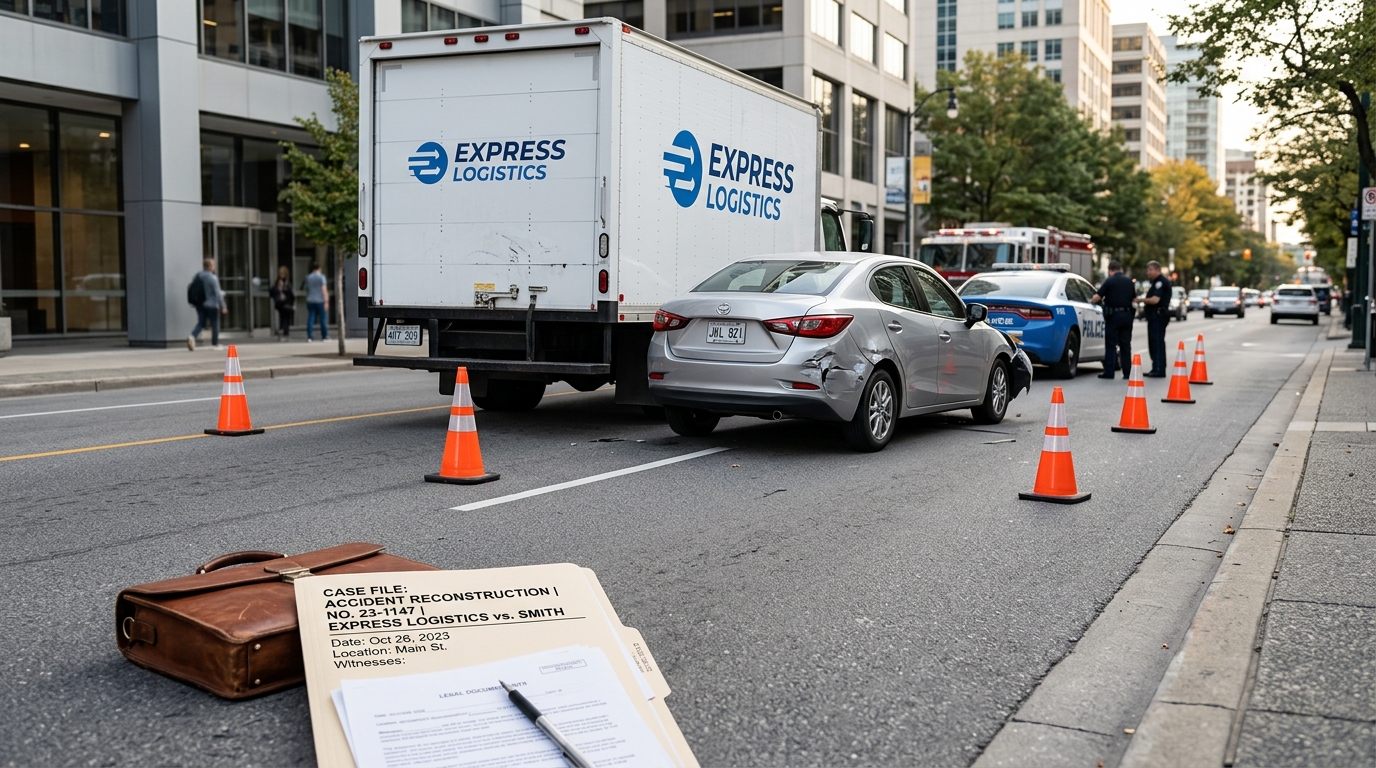
A commercial vehicle accident claim can become more complex than a normal car accident case. A crash involving a truck, delivery van, bus, shuttle, construction vehicle, moving truck, or company car may involve more than one driver. It may also involve an employer, vehicle owner, maintenance company, cargo contractor, broker, or insurance carrier.
That is why victims should not treat commercial crashes like simple fender benders. These cases often include company policies, driver records, vehicle data, federal safety rules, maintenance logs, and insurance disputes. A driver may have caused the impact, but the company behind that driver may also share responsibility.
Commercial vehicle crashes remain a major concern in 2026. The Federal Motor Carrier Safety Administration tracks large truck and bus crashes because these incidents can cause serious injuries, deaths, and major financial losses. FMCSA also requires motor carriers to keep driver qualification records for employed drivers. Those records can matter after a serious crash.
For accident victims, the key question is simple. Did the commercial driver, company, or another responsible party fail to act safely? If the answer is yes, the injured person may have a claim for medical bills, lost income, pain and suffering, future care, and other damages.
Why Commercial Vehicle Accident Claims Are Different
A crash with a commercial vehicle often creates more legal issues than a crash between two private drivers. Commercial vehicles usually operate for business purposes. That means the driver may follow company rules, delivery schedules, dispatch instructions, route plans, and safety procedures.
Some companies manage safety well. Others push drivers too hard, ignore warning signs, skip inspections, or hire people without proper review. When a crash happens, those choices can become part of the case.
Victims may also face a more aggressive insurance defense. Commercial insurance policies can carry higher limits. That gives insurers a strong reason to investigate the claim carefully. They may dispute fault, injury severity, medical treatment, lost wages, and future damages.
Strong evidence matters from the beginning. Photos, video, witness names, police reports, medical records, vehicle data, and company documents can help prove what happened. Without early action, key records may disappear or become harder to obtain.
Driver qualification can become a major issue
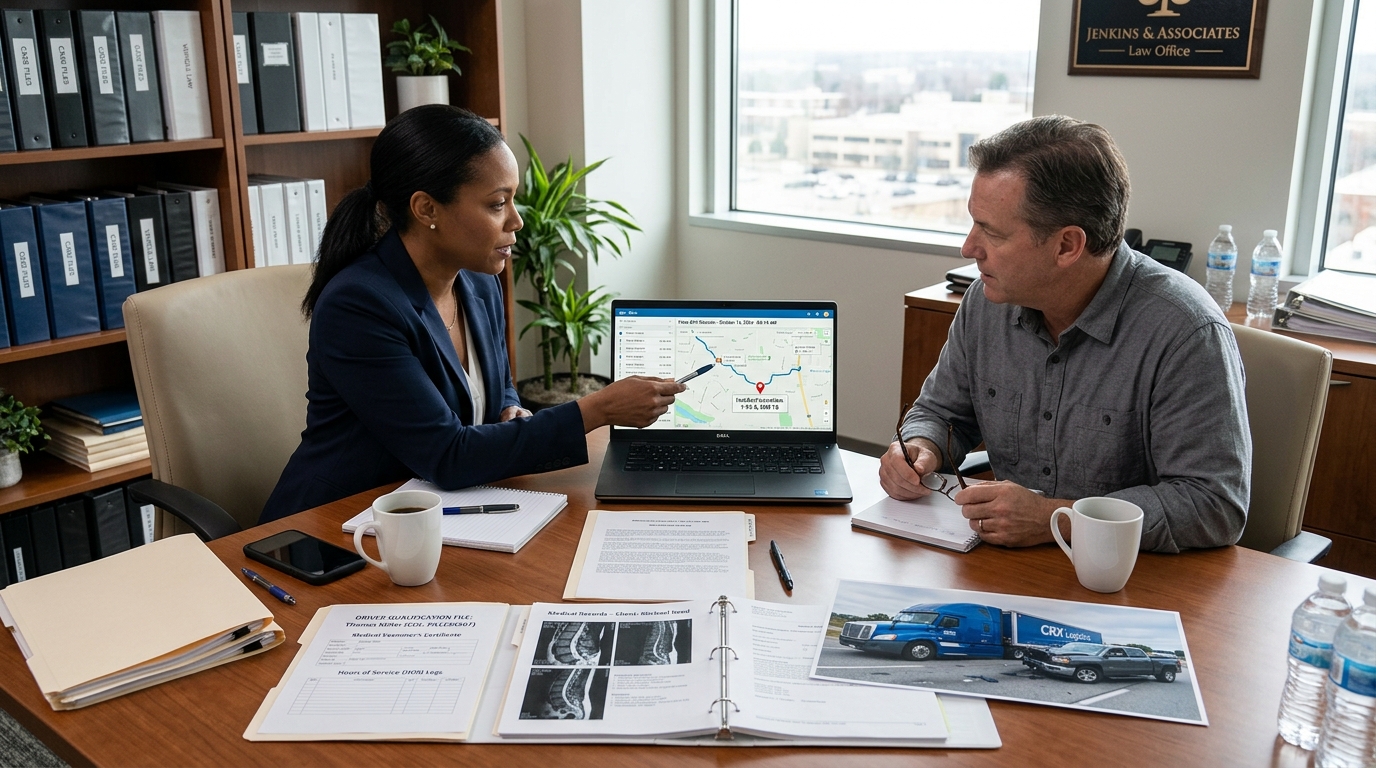
Driver qualification matters in many commercial crash cases. A company should not place an unsafe, unlicensed, medically unfit, poorly trained, or disqualified driver behind the wheel. When it does, the crash may involve negligent hiring, negligent supervision, or negligent retention.
Federal rules require motor carriers to maintain a driver qualification file for each employed driver. FMCSA explains that these files include required documents and inquiries tied to the driver’s qualifications. Readers can review FMCSA’s guidance here: FMCSA Driver Qualification File guidance.
In a commercial vehicle accident claim, a lawyer may review whether the company checked the driver’s record, license status, medical certification, training history, and prior safety issues. Missing records do not automatically prove liability. Still, they may reveal a weak safety system.
Driver qualification files may reveal warning signs
A driver qualification file may show important details. It may include license information, medical certification, driving history, employment review, and other required documents. If the company failed to maintain those records, the victim’s attorney may ask why.
Warning signs can include prior crashes, repeated traffic violations, expired medical documents, license problems, missing endorsements, or a poor safety history. A company should take these issues seriously before assigning a driver to commercial work.
Insurance companies may try to focus only on the final seconds before impact. Victims should look deeper. The crash may have started long before the collision if the company ignored obvious safety problems.
Fatigue, pressure, and work-zone speed can change the case
Commercial drivers often work under pressure. Some must meet delivery windows. Others drive overnight, handle long routes, or operate during heavy traffic. That pressure does not excuse unsafe driving.
Fatigue can reduce reaction time. Speeding can make the crash more violent. Poor training can make work zones, lane changes, braking, and emergency response more dangerous. When a commercial driver fails to slow down, misses traffic ahead, or reacts too late, investigators should review more than the driver’s statement.
Company schedules may matter. Dispatch messages may matter. GPS logs, electronic records, and route documents may also help. If a company created unrealistic expectations, the driver may not be the only responsible party.
Commercial crash evidence can disappear quickly
Commercial vehicle cases often depend on records that private drivers do not control. The company may control dashcam footage, GPS data, driver logs, maintenance reports, inspection records, dispatch messages, and vehicle telematics. Some systems overwrite data quickly.
This makes early evidence preservation critical. A victim should not assume the company or insurer will protect everything. Their goal may be to limit exposure, not to build the strongest claim for the injured person.
Your site already covers related evidence issues in California Dashcam and Black Box Evidence in 2026. That topic connects naturally with commercial crashes because fleet vehicles often create more digital records than private cars.
Preservation letters should go out early
A preservation letter tells the company to save important evidence. This may include the vehicle, onboard camera footage, electronic control module data, GPS records, driver logs, inspection documents, maintenance history, and internal reports.
Fast action matters because repairs, towing, downloads, software resets, or normal overwrite cycles can destroy proof. A company may also move the vehicle back into service. Once that happens, the claim may become harder to prove.
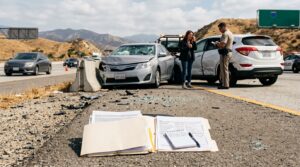
Victims should also preserve their own evidence. Take photos of the crash scene, vehicle damage, road markings, injuries, traffic signs, debris, skid marks, and nearby cameras. Save medical records, bills, claim numbers, repair estimates, and wage loss documents.
Multiple parties may share liability
A commercial crash may involve several responsible parties. The driver may have made an unsafe move. The employer may have failed to train or supervise. A maintenance company may have missed a brake problem. A cargo company may have loaded the vehicle poorly. A vehicle owner may have ignored known defects.
This is why victims should avoid accepting a fast settlement before the full picture is clear. A quick offer may only consider the driver’s mistake. It may ignore company negligence, unsafe maintenance, missing records, or higher insurance coverage.
Commercial cases can also involve different insurance layers. Primary coverage, excess coverage, employer policies, vehicle owner policies, and contractor policies may all need review. A simple claim can become much larger when serious injuries and multiple defendants are involved.
What Victims Should Do After a Commercial Vehicle Crash
After any serious crash, safety comes first. Call 911, request medical help, and report the collision. If you can do so safely, take photos and videos before vehicles move. Get the commercial vehicle’s company name, license plate, DOT number if visible, insurance information, and driver details.
Look for witnesses. Their statements may help if the commercial driver changes the story later. Nearby businesses, homes, buses, rideshare vehicles, or traffic cameras may also have video. Record the exact location and time.
Get medical care right away. Some injuries appear fast. Others develop later. Neck pain, back pain, headaches, dizziness, numbness, shoulder injuries, knee pain, and concussion symptoms can worsen after the adrenaline fades. Medical records help connect the crash to the injury.
Do not give a recorded statement without preparation. Commercial insurers may ask questions that sound harmless but protect their defense. They may ask you to guess speed, distance, timing, prior symptoms, or injury severity. Guessing can hurt the claim.
Settlement value depends on proof, damages, and insurance coverage
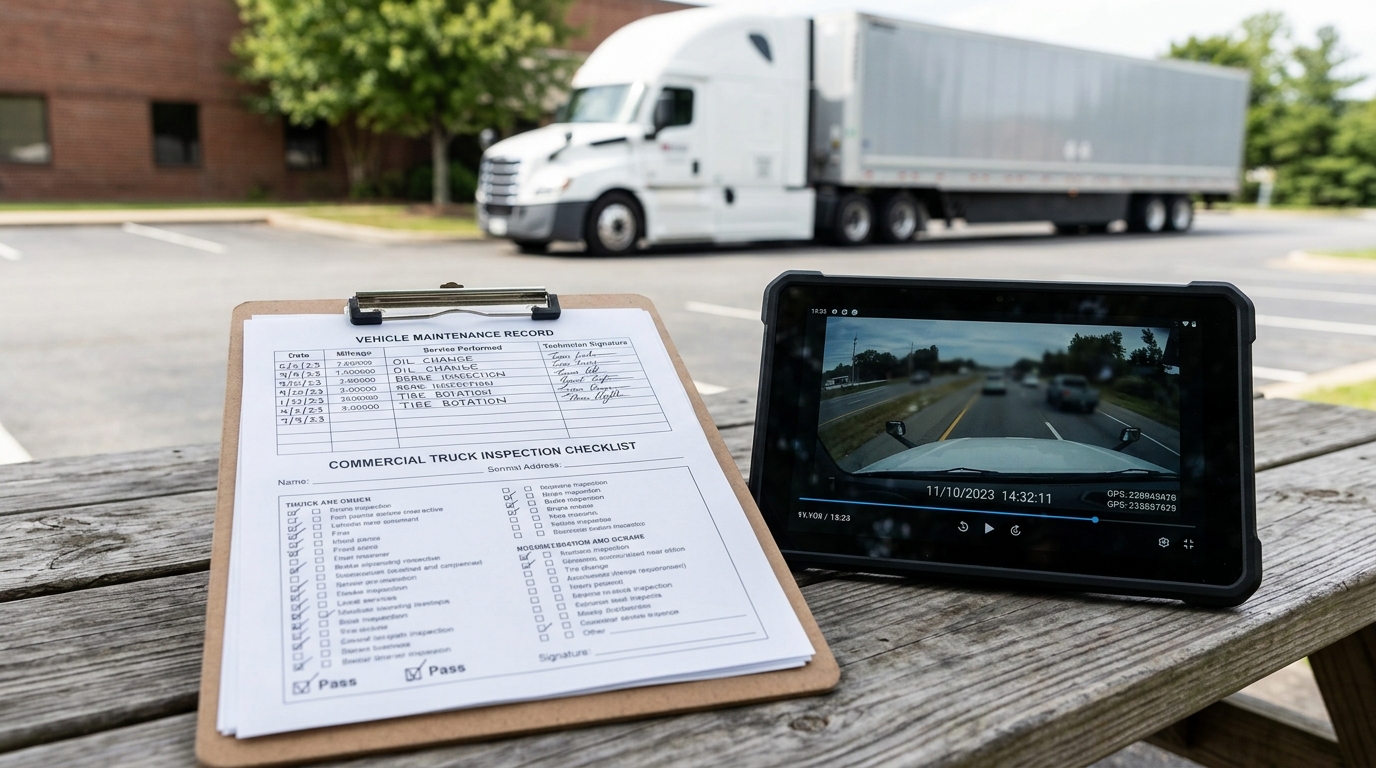
The value of a commercial vehicle accident claim depends on several factors. These include fault, injury severity, medical treatment, lost income, future care, pain and suffering, disability, scarring, and long-term limits. Strong liability evidence can also affect settlement value.
Commercial insurers may argue that the victim had preexisting injuries. They may claim the crash was minor. They may also blame another driver, bad weather, road conditions, or the victim. Clean documentation helps push back.
Evidence from speed cameras, dashcams, vehicle data, and witness statements may support the victim’s version of events. For related reading, see your guide on California Speed Camera Accident Claims in 2026. It explains how speed evidence can affect fault disputes.
Victims should also review their legal options early. Accident-Attorney.net provides general information on legal services for accident victims and broader personal injury claim topics. These internal resources can help readers understand how evidence, damages, and legal strategy work together.
A commercial vehicle crash can change a person’s life in seconds. The case should not depend only on what the company driver says at the scene. Driver qualification records, company safety policies, maintenance history, electronic data, dispatch records, and insurance coverage may all matter.
If you were hurt in a crash involving a truck, bus, delivery vehicle, shuttle, or company car, protect the evidence early. Get medical care, document the scene, avoid rushed statements, and review the full claim before accepting a settlement. Commercial vehicle cases often have more layers than victims expect. The sooner those layers get investigated, the stronger the claim may become.